



Why Bathroom Waterproofing Is Mandatory Before Tiling

Bathroom renovations are one of the best home improvement projects you can undertake. Not only do they add new life into your home, but they also add significant value if you decide to sell. Unfortunately, many homeowners often only focus on the visible finish, such as tiles, tapware, lighting, and layout. Trust us when we say that what lies beneath the surface is just as important.
One of the most important aspects that is often overlooked in any bathroom renovation is waterproofing. Bathrooms are at high risk of water damage, so proper waterproofing is not an optional extra; it must be applied before tiling begins.
Without proper waterproofing, even the most expensive bathroom renovation can quickly develop serious issues such as leaks, mould growth, and structural damage, leading to costly repairs.
In this article, we’ll look at why waterproofing is essential, what it involves, and what can go wrong if it’s overlooked.
What Is Bathroom Waterproofing?
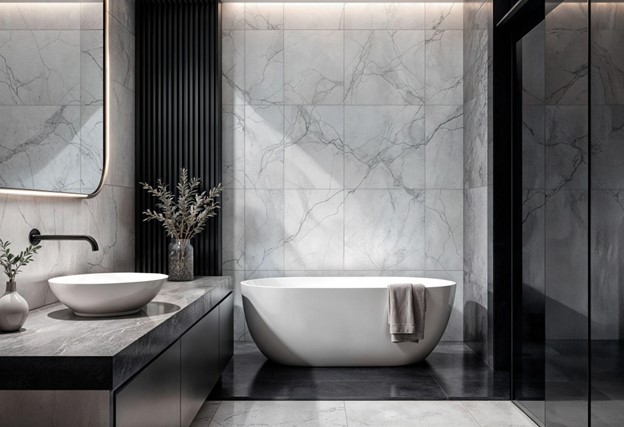
Bathroom waterproofing is the process of applying a protective barrier beneath tiles and finishes to stop water from penetrating walls, floors, and underlying structural elements. This hidden waterproofing layer is typically created using high-performance membranes, liquid-applied coatings, and advanced sealing systems.
This barrier is typically made from specialised membranes, liquid coatings, and sealing systems that work together to contain moisture within designated wet areas such as showers, baths, and wet room floors.
Together, they form a continuous, flexible barrier that contains moisture within wet areas such as showers, bathtubs, and wet rooms.
Unlike tiles and grout, which are only water-resistant and can gradually allow moisture to pass through over time, the waterproofing layer provides the essential long-term defence against water ingress.
It acts as the hidden barrier that protects the building structure from leaks, dampness, and costly water-related damage.
Why Waterproofing Must Be Done Before Tiling
One of the most important rules in bathroom construction is that waterproofing must be completed before any tiling is installed. Whether it’s a new home in Point Cook or an apartment in Camberwell, bathroom waterproofing needs to be applied.
Once tiles are laid, the waterproofing layer is hidden and becomes extremely difficult, if not impossible to repair without removing the entire surface.
There are several key reasons why waterproofing your bathroom is mandatory:
1. Prevents Water Damage to the Structure
Your bathroom is constantly exposed to moisture. Showers, sinks, and baths all create high humidity and direct water contact. Without waterproofing, water can seep through grout lines and into the building structure.
Over time, this can lead to:
- Timber rot in wall and floor frames
- Damage to plasterboard and sheeting
- Corrosion of metal fixtures and fasteners
- Weakening of structural supports
Once water damage begins, repairs can be extensive and expensive, often requiring full demolition.
2. Stops Mould and Mildew Growth
Damp environments are the perfect breeding ground for mould and mildew. When moisture becomes trapped behind tiles due to poor or missing waterproofing, it creates hidden damp areas where mould can spread.
This not only causes unpleasant odours and staining but can also pose health risks, particularly for individuals with allergies or respiratory conditions.
Proper waterproofing ensures that moisture is controlled and directed away from vulnerable surfaces.
3. Protects Tiles and Grout
Many homeowners naturally assume that their tiles are completely waterproof, when this is not the case. While tiles themselves resist water, grout lines are porous and can absorb moisture over time.
Without a waterproofing membrane underneath, water can gradually seep through grout joints and weaken the adhesive holding tiles in place. This can result in:
- Loose or hollow-sounding tiles
- Cracked grout
- Tile lifting or detachment
- Water staining beneath the surface
Waterproofing provides a sealed base that protects both tiles and adhesive systems. It also reduces the risk of tile movement or lifting, and protects the underlying structure from water damage over time.
4. Ensures Compliance with Building Standards
In Australia, waterproofing is not just best practice, it is a legal requirement under building codes and Australian Standards (AS 3740 for internal wet areas). Bathrooms must be waterproofed by qualified professionals before tiling to ensure compliance.
Failing to meet these requirements can lead to:
- Failed building inspections
- Insurance claim rejections
- Legal liability for damage
- Reduced property value
This is why professional installation with a qualified team like 3K Waterproofing ensures the job is done correctly the first time, rather than relying on DIY shortcuts. As one the leading waterproofing companies in Melbourne our extensive experience will ensure your bathroom is protected from all water damage.
What Areas Need Waterproofing in a Bathroom?
Waterproofing is not limited to the shower alone. It must be applied to all wet and high-risk areas, including:
- Shower floors and walls
- Bathroom floors (in most cases)
- Bath surrounds
- Splash zones around basins
- Wall junctions and corners
Every joint, penetration, and transition point must be carefully sealed to prevent water ingress.
The Waterproofing Process
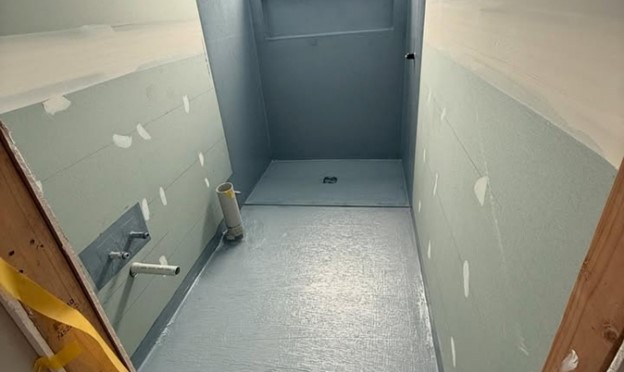
A proper bathroom waterproofing system involves several stages to ensure full protection. This includes:
Surface Preparation
The substrate must be clean, dry, and structurally sound before waterproofing begins. Any dust, grease, or loose material can compromise adhesion.
Application of Primer
A primer is often applied to improve bonding between the surface and waterproofing membrane.
Membrane Installation
A liquid or sheet membrane is applied across floors and walls. This creates a continuous waterproof barrier that seals all potential entry points for moisture.
Multiple coats are typically required, with drying time between applications.
Reinforcement of Joints
Corners, wall junctions, and pipe penetrations are reinforced using sealing tapes or additional membrane layers to ensure complete protection.
Curing Time
Before tiling can begin, the membrane must fully cure. Rushing this stage can weaken the waterproofing system and compromise its effectiveness.
What Happens If Waterproofing Is Skipped?
Skipping or poorly installing waterproofing can lead to significant long-term issues. While they may not appear immediately, they often develop over time as water slowly penetrates hidden areas.
When they appear, common issues that arise include:
- Persistent leaks into adjoining rooms or lower floors
- Structural timber decay
- Bubbling paint and damaged plaster
- Persistent mould and damp smells
- Costly full bathroom rebuilds
In many cases, homeowners only discover the issue when serious damage has already occurred.
Why Professional Installation Matters
Waterproofing is a specialised trade that requires training, experience, and attention to detail. Even small mistakes such as missed corners or incorrect membrane thickness can lead to failure and damage.
Professional waterproofers ensure that:
- The correct products are used for each surface
- Application meets Australian Standards
- All risk areas are properly sealed
- Documentation is provided for compliance
This level of precision is essential for long-term durability in all bathroom renovations and new builds.
Waterproofing and Tiling: How They Work Together
Waterproofing and tiling are not separate processes, they are part of a single system. The waterproof membrane provides the hidden protection, while tiles form the visible, decorative surface.
When done correctly, they work together to create a bathroom that is both functional and visually appealing. However, if waterproofing fails, even the highest quality tiles cannot prevent damage.
This is why tiling should always be seen as the final protective layer, not the primary barrier against water.
How Long Does Waterproofing Last?
A professionally installed waterproofing system can last 10–20 years or more, depending on materials and conditions. However, its longevity depends heavily on:
- Quality of installation
- Proper curing time
- Bathroom usage levels
- Maintenance and care
Regular inspections and prompt repairs to grout or silicone joints can also help extend its lifespan.
Signs Your Bathroom May Have Waterproofing Issues
Waterproofing problems are not always immediately obvious, but they tend to reveal themselves over time through visible and sensory warning signs. If left unchecked, these issues can escalate quickly and lead to significant structural damage and expensive repairs.
If your bathroom shows any of the following signs, waterproofing failure may be the underlying cause:
- Peeling paint or bubbling on walls and ceilings
- Damp, musty, or persistent unpleasant odours
- Visible mould or mildew growth in corners or grout lines
- Water stains, discolouration, or dark patches on walls or ceilings
These symptoms often indicate that moisture is escaping beyond the intended wet areas and penetrating into surrounding surfaces. This can happen when the waterproofing membrane has deteriorated, been incorrectly installed, or was never properly applied in the first place.
Addressing these warning signs early is essential. Prompt action can help prevent further water damage, protect the structural integrity of your home, and avoid more extensive and costly repairs down the track.
Why We Recommend Bathroom Waterproofing in melbourne
Water damage in bathrooms costs Melbourne homeowners thousands every year. Without proper waterproofing, moisture penetrates tiles, grout, and substrates, leading to:
- Structural damage and rot
- Dangerous mould growth
- Expensive remediation work
- Lower property value
Our waterproofing contractors use certified membrane systems that exceed Australian Standards. From Glen Iris to Clayton, Greenvale to Werribee, all homeowners must have quality waterproofing in their bathroom.

Speak to 3K Waterproofing Today
Bathroom waterproofing is not an optional extra, it is the foundation for any successful tiling project and renovation. It protects your home from water damage, prevents mould growth, ensures compliance with building standards, and preserves the integrity of your bathroom for years to come.
While tiles provide the finish, waterproofing provides the protection. Without it, even the most beautiful bathroom is at risk of costly and avoidable damage. Investing in proper waterproofing before tiling is one of the best decisions you can make in your bathroom renovation.
Whether it’s bathroom waterproofing in Brighton, Richmond or Doncaster, the team at 3K Waterproofing are here to help. Get in touch with us today by calling 1800 242 551 for a free quote on all our waterproofing services.
Recent Blogs
-
 Waterproofing vs Sealing: Key Differences and Which Is Right for Your Property
When it comes to protecting your property from moisture, the terms waterproofing and sealing are often used interchangeably. However, they are certainly not the same thing. While it’s true that both can be used to protect concrete and building surfaces from moisture, they actually provide very different levels of protection, and are designed for different […]
Read More -
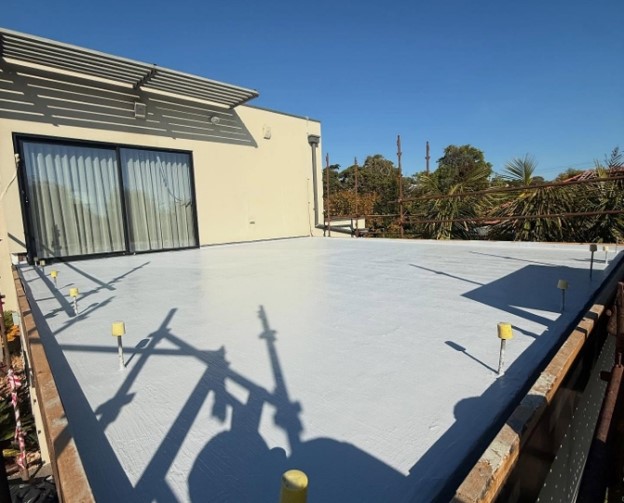 Signs Your Balcony Is Leaking (Even If You Can’t See Water)
A leaking balcony isn’t always obvious. While some homeowners expect to see dripping water or obvious flooding, many balcony leaks begin quietly, hidden beneath tiles, inside walls or below the surface of the structure. By the time visible damage appears, moisture may have already caused significant deterioration to the waterproofing membrane and surrounding building materials. […]
Read More -
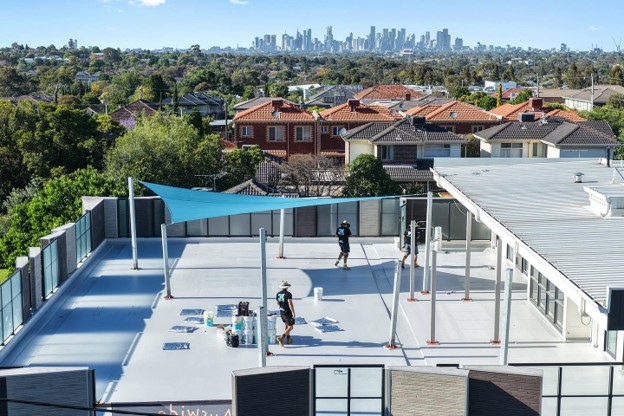 Tiled vs Exposed Membrane Balconies: Which Waterproofing Method Lasts Longer?
A balcony is one of the most exposed areas of any property. Sunlight, rain, wind, temperature fluctuations, and foot traffic put significant stress on its waterproofing system. Without the right protection, water can penetrate into the structure, leading to leaks, mould growth, concrete deterioration, and expensive repairs. When planning a new balcony or replacing […]
Read More -
Sheet vs Liquid Membrane Waterproofing: What Works Best in High-Movement Areas?
As a property owner, water damage can be one of the most destructive issues there is. However, it’s not all doom and gloom. With the right waterproofing measures in place, even high-movement areas can be prepared for whatever the weather throws up. From balconies and rooftops to bathrooms and basements, high-movement areas demand more than […]
Read More


