



Sheet vs Liquid Membrane Waterproofing: What Works Best in High-Movement Areas?
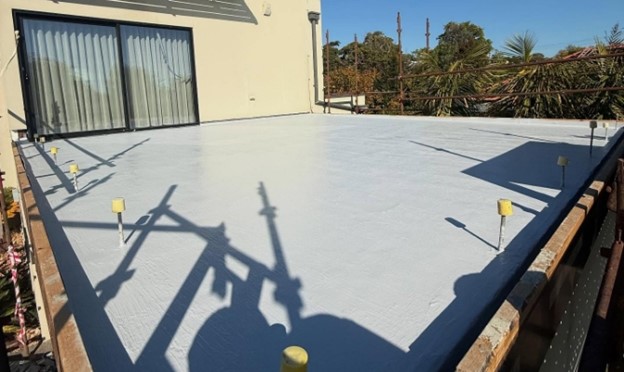
As a property owner, water damage can be one of the most destructive issues there is. However, it’s not all doom and gloom. With the right waterproofing measures in place, even high-movement areas can be prepared for whatever the weather throws up.
From balconies and rooftops to bathrooms and basements, high-movement areas demand more than a standard waterproofing solution. What they really require are materials and application methods that can adapt, flex, and perform under pressure over time.
In this guide, we’ll break down the differences between sheet and liquid membrane waterproofing, how each performs in high-movement areas, and how to choose the right solution for your property.
Understanding High-Movement Areas
Before comparing the two systems, it’s important to understand what the term “high movement” actually means.
High-movement areas are surfaces that experience ongoing stress due to environmental and structural factors, including:
- Thermal expansion and contraction caused by temperature changes
- Building settlement as structures naturally shift over time
- Vibration from traffic, machinery, or nearby construction
- Moisture fluctuations affecting substrates like concrete and timber
In Melbourne, these conditions are often intensified by variable weather patterns. Hot summers, cool winters, and sudden temperature shifts can all impact how materials expand and contract.
Common high-movement areas include:
- External balconies and terraces
- Rooftops exposed to the elements
- Wet areas like bathrooms and laundries
- Planter boxes and retaining walls
- Podium decks and car parks
If waterproofing systems in these areas can’t handle movement, they’re far more likely to crack, lift, or fail.
What Is Sheet Membrane Waterproofing?
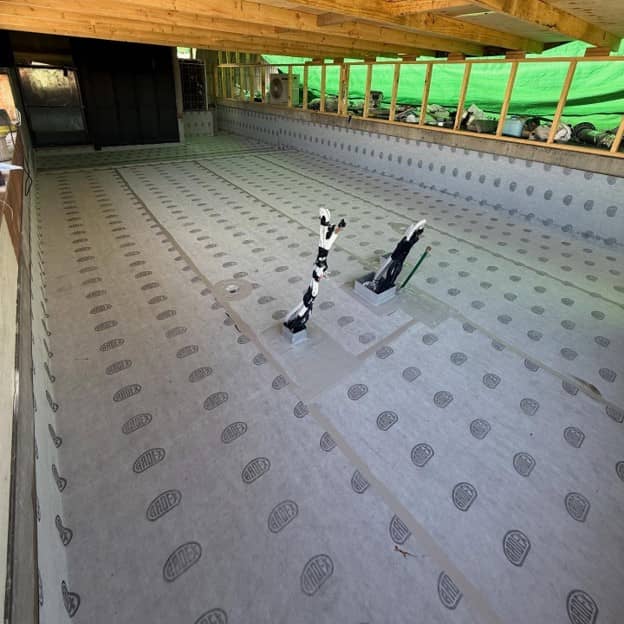
Sheet membrane waterproofing is a highly effective method of protection that involves applying pre-formed sheets of waterproof material to surfaces like concrete slabs, foundations, balconies, and rooftops.
Once installed, these membranes create a durable, impermeable barrier that prevents water ingress and protects structures from long-term damage. Sheet membranes are ideal for both above-ground and below-ground waterproofing, offering consistent thickness and high resistance to tears, punctures, and environmental stress.
Commonly used in new builds and large commercial projects, they provide reliable protection for areas prone to water exposure.
Advantages of Sheet Membranes
Sheet membrane waterproofing systems have long been used in residential, commercial, and industrial construction due to their durability and consistent performance. Manufactured under controlled factory conditions, these membranes provide reliable protection when installed correctly and used in suitable environments.
As leading waterproofing membrane suppliers in Melbourne, we source and install high-quality products that meet Australian standards.
Consistent Thickness
Because they are manufactured under controlled factory conditions, sheet membranes offer consistent thickness across the entire surface. This helps reduce the risk of weak spots or uneven coverage.
Durability on Flat Surfaces
They are particularly effective on large, open surfaces with minimal detailing, such as commercial rooftops, concrete slabs, and expansive flat areas.
Proven Track Record in Construction
Sheet membranes have been used across the construction industry for decades and are well regarded for their durability and reliability in stable, low-movement environments.
What Is Liquid Membrane Waterproofing?
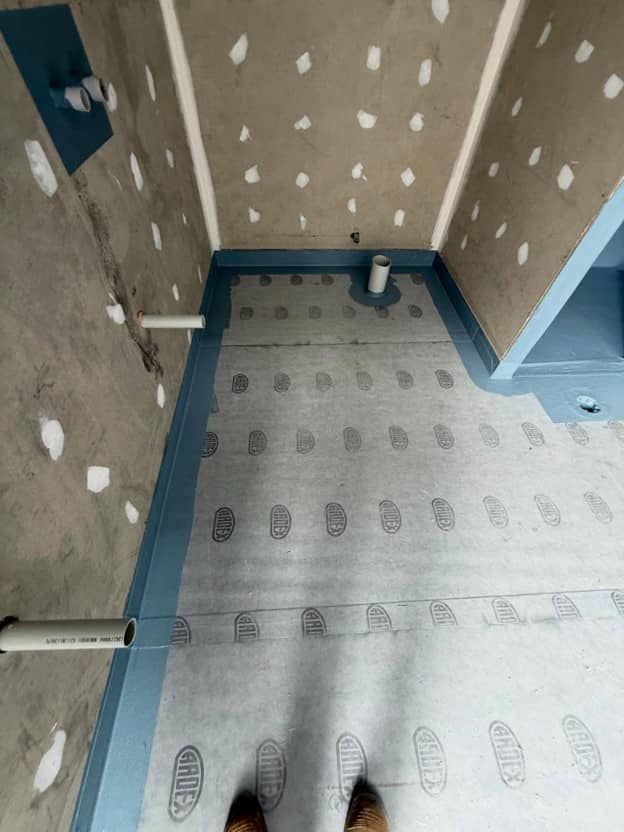
Liquid membranes are applied as a fluid coating that cures into a seamless, flexible waterproofing barrier. Common systems include polyurethane, acrylic, and cementitious membranes, each designed to provide reliable protection in a range of conditions.
At 3K Waterproofing, liquid membranes are frequently used across residential and commercial projects where flexibility, durability, and long-term performance are essential, particularly in areas exposed to movement and changing environmental conditions.
Advantages of Liquid Membranes
Seamless Application
One of the biggest advantages of liquid membranes is that there are no seams. With no joins or overlaps, there are no weak points for water to penetrate.
High Flexibility and Elasticity
Liquid membranes can stretch and recover, allowing them to accommodate structural movement, thermal expansion, and minor cracking without failing.
Excellent for Complex Details
As they are applied as a liquid, they easily conform to irregular shapes, corners, and penetrations. This ensures full coverage in key areas.
Strong Adhesion
Liquid membranes bond directly to the substrate, reducing the risk of water tracking underneath the system.
Crack Bridging Capability
Many liquid systems are designed to bridge cracks in the substrate, maintaining waterproof integrity even as the surface moves.
Considerations with Liquid Membranes
While highly effective, liquid membranes still rely on correct preparation and precise application that ensures quality performance.
Installation Quality Matters
The performance of a liquid membrane depends on achieving the correct thickness and allowing proper curing time.
Weather Sensitivity
Some systems also require specific temperature and humidity conditions during installation to ensure proper curing and optimal performance.
Multiple Coats Required
To achieve the required thickness and long-term durability, liquid membrane systems are often applied in multiple layers.
At 3K Waterproofing, we ensure all applications meet manufacturer specifications and Australian standards to deliver long-lasting results.
Performance Comparison: Sheet vs Liquid Membranes
When waterproofing systems are exposed to constant movement and structural stress, the differences between sheet and liquid membranes become more noticeable. Sheet membranes offer moderate flexibility and movement tolerance, with consistent performance across large surfaces and reliable crack-bridging capability in suitable conditions.
They are widely used for their uniform thickness and dependable installation on flat or expansive areas.
Liquid membranes, on the other hand, provide high flexibility and excellent movement tolerance, along with strong crack-bridging performance. Their seamless application allows for strong adhesion to the substrate and easy coverage of complex areas such as corners, joints, and penetrations.
This makes liquid membranes particularly well suited to environments where adaptability and continuous surface coverage are required.
Why Movement Matters More Than You Think
Waterproofing failures rarely happen overnight. In many cases, they develop slowly as repeated movement weakens the system over time, including:
- A balcony exposed to sun all day expands and contracts daily
- A bathroom floor subtly shifts due to moisture and use
- A rooftop experiences seasonal temperature extremes
If the waterproofing system can’t accommodate these changes, small cracks can form. Over time, these cracks allow water to seep in, leading to:
- Structural damage
- Mould and mildew growth
- Costly repairs and remediation
The Hybrid Approach: Combining Both Systems
In many projects, the best solution isn’t choosing one system over the other—it’s using both strategically.
At 3K Waterproofing, we often implement a hybrid approach:
- Sheet membranes for large, stable, open areas
- Liquid membranes for joints, edges, penetrations, and high-movement zones
This approach combines the consistency of sheet systems with the flexibility of liquid applications, delivering optimal performance across the entire structure.
Choosing the Right System for Your Project
Every property is different, and the right waterproofing solution depends on several key factors:
- Type of Area
Is it a bathroom, balcony, rooftop, or basement? Each environment has different demands. - Level of Movement
How much expansion, contraction, or structural movement is expected? - Substrate Material
Concrete, timber, and other materials behave differently under stress. - Exposure to Elements
External areas require higher resistance to UV, rain, and temperature changes. - Long-Term Durability Requirements
Is this a short-term fix or a long-term investment?
Working with 3K Waterproofing ensures all of these factors are properly assessed before installation, helping to deliver a waterproofing system that performs reliably over time.
Why Professional Installation Is a Must
Even the best waterproofing system can fail if it isn’t installed properly. Issues such as poor surface preparation, incorrect membrane thickness, or rushed application can all compromise long-term performance and lead to costly water damage.
At 3K Waterproofing, every project we undertake, we focus on:
- Thorough surface preparation
- Selecting the right waterproofing products for the environment
- Precise and professional application techniques
- Full compliance with Australian standards
- Careful attention to detail in high-risk and high-movement areas
This commitment to quality ensures every waterproofing system is built for durability, reliability, and long-term protection, even in demanding environments exposed to constant movement and changing conditions.
Why Choose 3K Waterproofing?
Since 2023, 3K Waterproofing, brothers Micky and Joey have been using their extensive experience in waterproofing, construction, and business, that is focused on delivering reliable, high-quality waterproofing solutions.
From clear waterproof membranes to heavy-duty systems for commercial buildings, we match the right product to your project. Our team is always up-to-date with the latest membrane technologies, offering both traditional sheet membranes and innovative liquid applications that adapt to any surface configuration.
As one of the leading waterproofing companies in Melbourne, we offer proven techniques backed by long-term warranty coverage. Or waterproofing services include:
- Sheet Membrane Systems: Premium commercial-grade waterproof membrane products
- Liquid Membrane Applications: Flexible services for complex surfaces
- Engineered Screeding: Creating proper falls to drainage points
- Internal Membrane Waterproofing: Bathrooms, laundries, powder rooms, and wet areas
- External Membrane Protection: Rooftops, balconies, planter boxes, and terraces
Our contractors can provide membrane waterproofing services for homes, apartments, office buildings, and industrial settings. In each case, we’ll conduct a free on-site assessment to develop and determine the best membrane solution.
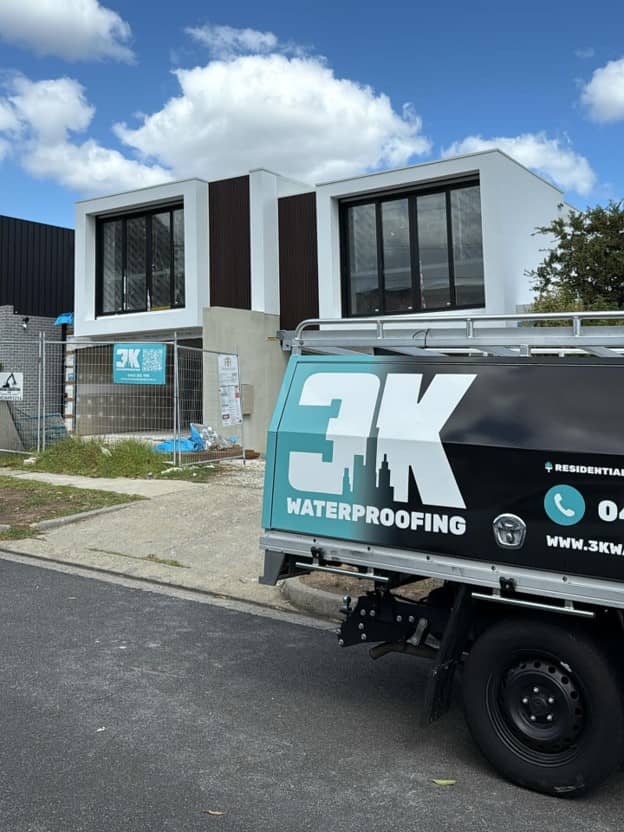
Need Expert Waterproofing? Call 3K Waterproofing Today
If you’re planning a build, renovation, or repair, getting the right waterproofing system in place from the start can save you time and money long term.
Here at 3K Waterproofing we specialize in high-performance waterproofing solutions designed for Melbourne conditions. Whether it’s a residential bathroom or a large-scale commercial project, we deliver systems that are built to withstand movement and stand the test of time.
From bathroom waterproofing in Doncaster, balcony waterproofing in Melbourne and waterproofing in Richmond, we service all areas of Melbourne. Contact 3K Waterproofing today on 1800 266 403 or email us at info@3kwaterproofing.com.au for a free quote today!
Recent Blogs
-
Waterproofing vs Sealing: Key Differences and Which Is Right for Your Property
When it comes to protecting your property from moisture, the terms waterproofing and sealing are often used interchangeably. However, they are certainly not the same thing. While it’s true that both can be used to protect concrete and building surfaces from moisture, they actually provide very different levels of protection, and are designed for different […]
Read More -
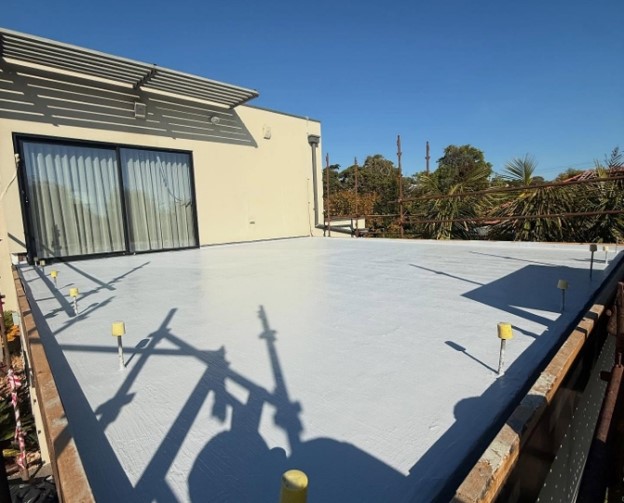 Signs Your Balcony Is Leaking (Even If You Can’t See Water)
A leaking balcony isn’t always obvious. While some homeowners expect to see dripping water or obvious flooding, many balcony leaks begin quietly, hidden beneath tiles, inside walls or below the surface of the structure. By the time visible damage appears, moisture may have already caused significant deterioration to the waterproofing membrane and surrounding building materials. […]
Read More -
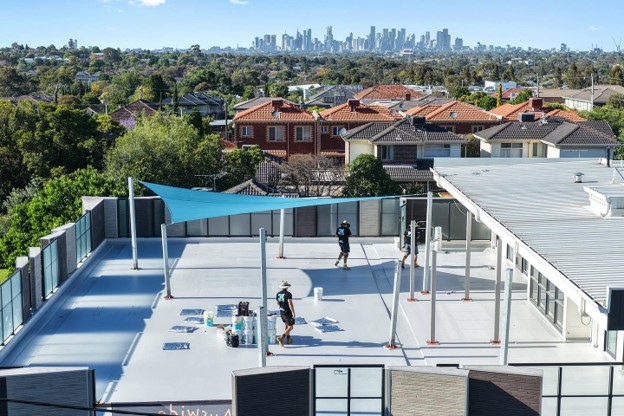 Tiled vs Exposed Membrane Balconies: Which Waterproofing Method Lasts Longer?
A balcony is one of the most exposed areas of any property. Sunlight, rain, wind, temperature fluctuations, and foot traffic put significant stress on its waterproofing system. Without the right protection, water can penetrate into the structure, leading to leaks, mould growth, concrete deterioration, and expensive repairs. When planning a new balcony or replacing […]
Read More -
 Why Bathroom Waterproofing Is Mandatory Before Tiling
Bathroom renovations are one of the best home improvement projects you can undertake. Not only do they add new life into your home, but they also add significant value if you decide to sell. Unfortunately, many homeowners often only focus on the visible finish, such as tiles, tapware, lighting, and layout. Trust us when we […]
Read More


