




Signs Your Balcony Is Leaking (Even If You Can’t See Water)
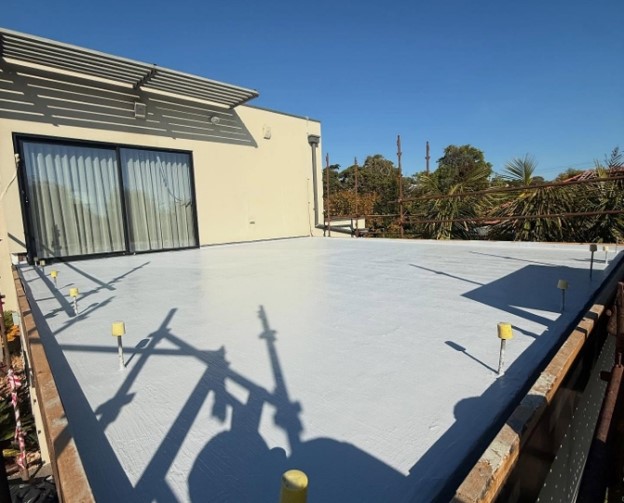
A leaking balcony isn’t always obvious. While some homeowners expect to see dripping water or obvious flooding, many balcony leaks begin quietly, hidden beneath tiles, inside walls or below the surface of the structure.
By the time visible damage appears, moisture may have already caused significant deterioration to the waterproofing membrane and surrounding building materials. The longer this continues, the heftier the final bill is likely to be.
In Melbourne, our balconies are constantly exposed to unpredictable weather. Heavy rainfall, fluctuating temperatures and prolonged UV exposure all place significant pressure on waterproofing systems over time.
Even a small crack in grout, deteriorating sealant or failed waterproofing membrane can allow water to penetrate the structure, leading to expensive repairs if left untreated.
Of course, it’s not all doom and gloom. Understanding the early warning signs of a leaking balcony can help you act before the problem becomes more serious. In this guide, we’ll explain what to look for, why balcony leaks occur and when it’s time to call the experts at 3K Waterproofing to assess your balcony.
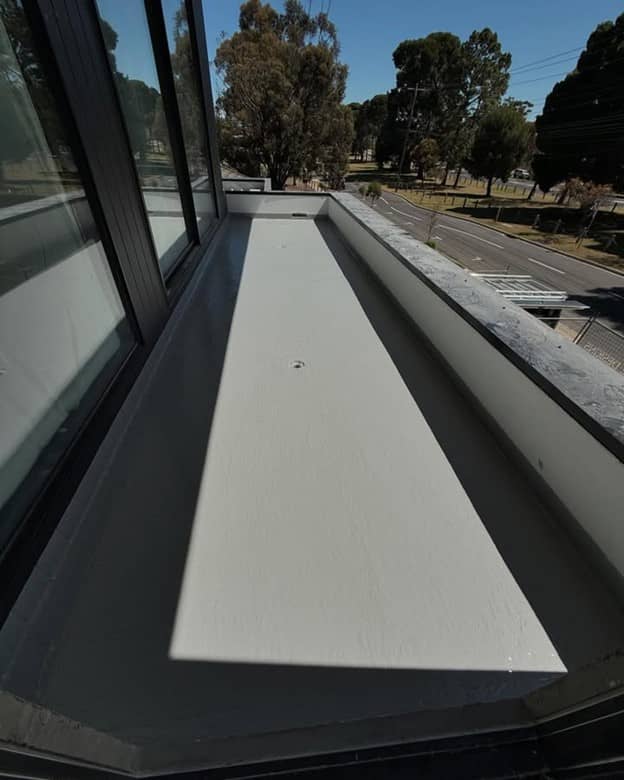
Why Balcony Leaks Are Often Difficult to Detect
Unlike a burst pipe or overflowing gutter, balcony leaks usually develop gradually over time, and water doesn’t always appear where the leak begins. Instead, it seeps through concrete, grout, timber or wall cavities before it becomes visible elsewhere in the property.
This means your balcony could be leaking for months before any obvious symptoms appear.
Many property owners only discover the issue after noticing water stains inside their home or damage to rooms below the balcony. By this stage, moisture may already have affected structural components, insulation or internal finishes.
Regular inspections and early intervention are the most effective ways to minimise repair costs and prevent long-term damage.
What Causes Balcony Leaks?
Balcony leaks rarely occur because of a single problem. Instead, they are a combination of different factors that over time allow water to seep into the structure.
Failed waterproofing membranes remain one of the most common causes, particularly in older properties where waterproofing materials have reached the end of their service life.
Poor installation during construction, inadequate drainage, cracked screeds, deteriorated sealants and natural structural movement can all contribute to waterproofing failure.
Melbourne’s notoriously unpredictable climate is another key contributor to the rate of deterioration. Constant cycles of rain, heat and temperature changes place ongoing stress on waterproofing systems, gradually weakening their ability to keep water out.
This is why professional balcony inspections are so valuable. The team here at 3K Waterproofing can identify the root cause rather than simply treating the visible symptoms.
Signs That Your Balcony Has a Water Leak
Water Stains Inside Your Home
One of the earliest and most recognisable signs of a leaking balcony is water staining on ceilings or walls directly beneath the balcony.
These stains often begin as small discoloured patches before gradually becoming darker over time. They may appear yellow, brown or even black depending on how long moisture has been present.
You may also notice:
- Bubbling or peeling paint
- Damp patches after rainfall
- Soft or swollen plaster
- Water marks that continue to grow
These symptoms usually indicate that water has already travelled through the balcony structure and into the building below.
Ignoring these warning signs can allow moisture to continue spreading, increasing both repair costs and the likelihood of mould growth.
Cracked Tiles and Damaged Grout
Many homeowners assume cracked tiles are purely cosmetic. In reality, damaged tiles and deteriorating grout are among the most common entry points for water.
Once moisture passes through cracked grout joints or fractured tiles, it can reach the waterproofing membrane underneath. If that membrane has deteriorated, water continues into the concrete substrate where it becomes trapped.
Signs worth investigating include loose tiles, hollow sounds when tiles are tapped, cracked grout lines and tiles that appear to shift underfoot.
Although replacing damaged tiles may improve appearance, it won’t solve the underlying issue if the waterproofing system has already failed.
Water Pooling After Rain
A properly constructed balcony should allow rainwater to drain efficiently.
If puddles remain long after rainfall has stopped, water may be unable to flow towards the drainage points as intended.
Standing water places continuous pressure on waterproofing membranes, increasing the likelihood of water finding its way through tiny cracks or imperfections.
Persistent pooling may indicate:
- Poor drainage design
- Blocked drainage outlets
- Incorrect balcony falls
- Movement within the balcony structure
Over time, even small amounts of standing water can contribute to significant waterproofing failures.
Mould and Musty Odours
A musty smell inside your home often points to hidden moisture.
Because balcony leaks frequently occur inside walls or ceilings, mould can begin developing well before water becomes visible.
If you notice persistent damp odours, mould patches or unexplained humidity in rooms adjacent to or beneath your balcony, water ingress may be the cause.
Besides damaging your property, mould can affect indoor air quality and contribute to respiratory problems, making early detection particularly important.
White Powder on Tiles or Concrete
White, chalk-like deposits on balcony tiles, grout or concrete are known as efflorescence.
Although they may appear harmless, these deposits form when water moves through concrete or masonry, carrying dissolved salts to the surface where they remain after the moisture evaporates.
Efflorescence is a clear indication that water is travelling through your balcony structure, even if you cannot yet see active leaks.
Because it often develops before major internal damage becomes obvious, it provides an important opportunity to investigate potential waterproofing issues early.
Rust Around Balcony Fixtures
Water doesn’t only damage concrete and tiles.
Metal balustrades, brackets, fixings and edge trims are also vulnerable when moisture enters areas that should remain dry.
Rust stains around metal fixtures, corroded fasteners or loose balcony railings may indicate ongoing water penetration beneath the surface.
Corrosion not only affects appearance but can also compromise structural safety if left unaddressed.
Peeling Paint and Damaged Render
Exterior paint and render beneath balconies often provide another early warning sign.
Continuous exposure to moisture causes finishes to blister, peel or separate from the underlying wall.
Although many homeowners assume repainting will solve the problem, damaged finishes usually indicate that water continues to enter from above.
Unless the source of the leak is identified and repaired, cosmetic fixes rarely last.
Why Regular Balcony Inspections Are a Must
Regular balcony inspections are one of the most effective ways to identify waterproofing issues before they develop into costly structural problems. Many balcony leaks begin without any obvious warning signs.
By the time water stains, mould or cracked finishes become visible, significant damage may have already occurred. A professional inspection can detect early signs of waterproofing failure, assess the condition of the membrane, drainage system and surrounding materials, and identify areas that require attention before repairs become more extensive.
Booking routine inspections not only helps extend the lifespan of your balcony but also protects your property from potential water damage, reduces long-term maintenance costs and provides peace of mind that your waterproofing system is performing as it should.
What Happens During a Professional Balcony Inspection?
Many balcony leaks cannot be diagnosed through a simple visual inspection alone. While cracked tiles or deteriorating grout may indicate that something is wrong, the source of the leak is often hidden beneath the finished surface.
A professional inspection allows waterproofing specialists to identify the underlying cause of the problem rather than simply treating the visible symptoms.
At 3K Waterproofing, every inspection begins with a thorough assessment of the balcony’s overall condition, taking into account its age, construction method and exposure to the elements.
The inspection may include moisture testing, an assessment of drainage performance, examination of existing waterproofing systems and a detailed review of expansion joints, sealants and tiled surfaces.
By understanding exactly how and where water is entering the structure, the team can recommend the most effective and long-lasting repair solution.

The Importance of Quality Balcony Waterproofing
Balcony waterproofing is one of the most important elements in protecting a property’s structural integrity. A correctly installed waterproofing system creates a continuous barrier that prevents rainwater from penetrating beneath the tiled surface and damaging the building below.
Because balconies are exposed to constant weather conditions, waterproofing materials must withstand heavy rainfall, intense sunlight, fluctuating temperatures and everyday foot traffic throughout the year.
Over time, even high-quality materials naturally deteriorate, making routine inspections and timely maintenance essential. Using quality waterproofing products and industry-approved installation methods helps ensure the repaired system performs reliably for years to come.
Whether you need waterproofing in Clyde North, Northcote, Glen Iris or Wollert, professional balcony waterproofing Melbourne services are designed not only to repair existing leaks but also to improve the long-term durability of the balcony.
Working with the experienced specialists at 3k Waterproofing also provides confidence that repairs comply with Australian standards.
Why DIY Repairs Don’t Last
When a leak first appears, many homeowners are tempted to apply a waterproof coating, replace a few cracked tiles or reseal visible joints themselves. While these repairs may improve the appearance of the balcony, they rarely solve the underlying waterproofing problem.
In many cases, the waterproofing membrane beneath the tiles has already failed. Covering the surface without repairing the damaged membrane simply traps moisture inside the structure, allowing deterioration to continue beneath the finished surface.
Replacing grout or applying silicone sealant may temporarily reduce water penetration but won’t restore a compromised waterproofing system. Over time, the leak almost always returns and is often more severe than before.
Professional waterproofing focuses on identifying the source of the failure and repairing the waterproofing system itself rather than masking the symptoms. This provides a far more durable solution and reduces the likelihood of repeated repair costs.

Protect Your Property Before a Small Leak Becomes a Big Problem
A leaking balcony rarely fixes itself. What may start as a minor crack in the grout or a small waterproofing failure can quickly develop into widespread water damage, affecting your home’s structure, internal finishes and even the health of those living inside.
Recognising the warning signs early and addressing the underlying cause is the best way to avoid costly repairs and preserve the value of your property.
If you’ve noticed water stains, cracked tiles, mould, pooling water or any other signs of moisture, it’s important to have your balcony professionally inspected before the damage worsens.
Contact 3K Waterproofing today on 0433 201 995 to arrange a professional assessment and take the first step towards protecting your home from hidden water damage. We offer a free, no-obligation quote so you are not left out of pocket.
Recent Blogs
-
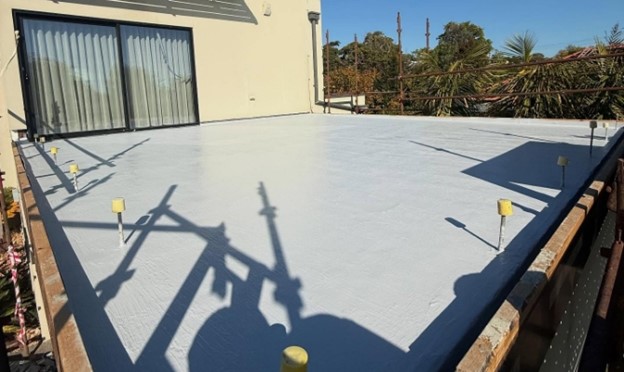 Waterproofing vs Sealing: Key Differences and Which Is Right for Your Property
When it comes to protecting your property from moisture, the terms waterproofing and sealing are often used interchangeably. However, they are certainly not the same thing. While it’s true that both can be used to protect concrete and building surfaces from moisture, they actually provide very different levels of protection, and are designed for different […]
Read More -
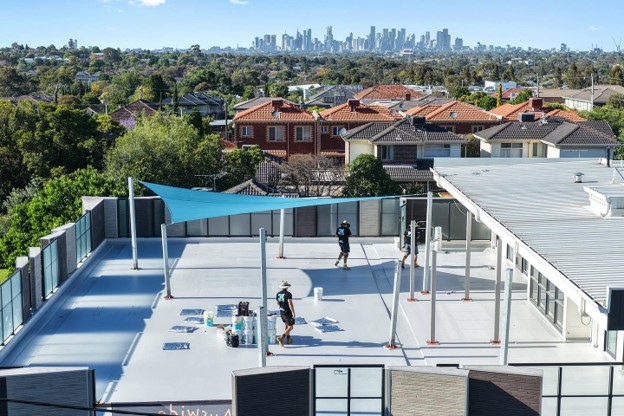 Tiled vs Exposed Membrane Balconies: Which Waterproofing Method Lasts Longer?
A balcony is one of the most exposed areas of any property. Sunlight, rain, wind, temperature fluctuations, and foot traffic put significant stress on its waterproofing system. Without the right protection, water can penetrate into the structure, leading to leaks, mould growth, concrete deterioration, and expensive repairs. When planning a new balcony or replacing […]
Read More -
Sheet vs Liquid Membrane Waterproofing: What Works Best in High-Movement Areas?
As a property owner, water damage can be one of the most destructive issues there is. However, it’s not all doom and gloom. With the right waterproofing measures in place, even high-movement areas can be prepared for whatever the weather throws up. From balconies and rooftops to bathrooms and basements, high-movement areas demand more than […]
Read More -
 Why Bathroom Waterproofing Is Mandatory Before Tiling
Bathroom renovations are one of the best home improvement projects you can undertake. Not only do they add new life into your home, but they also add significant value if you decide to sell. Unfortunately, many homeowners often only focus on the visible finish, such as tiles, tapware, lighting, and layout. Trust us when we […]
Read More


