



Waterproofing vs Sealing: Key Differences and Which Is Right for Your Property
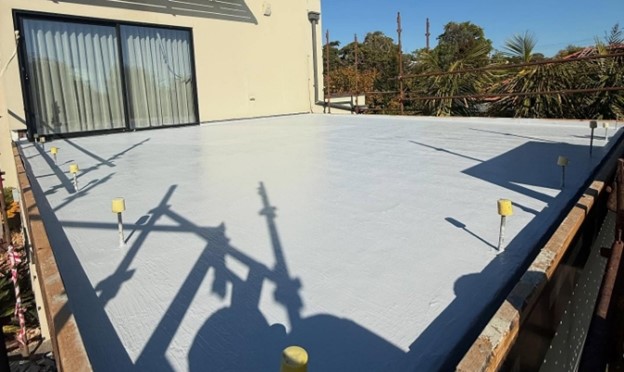
When it comes to protecting your property from moisture, the terms waterproofing and sealing are often used interchangeably. However, they are certainly not the same thing.
While it’s true that both can be used to protect concrete and building surfaces from moisture, they actually provide very different levels of protection, and are designed for different applications.
Choose the wrong solution and you might be left with water ingress, mould, deterioration of building materials and expensive repairs. Get it right and your property will be well protected for years to come.
For homeowners and businesses across Melbourne, understanding the difference between the two is particularly important when dealing with bathrooms, balconies, basements, rooftops and other areas exposed to regular moisture.
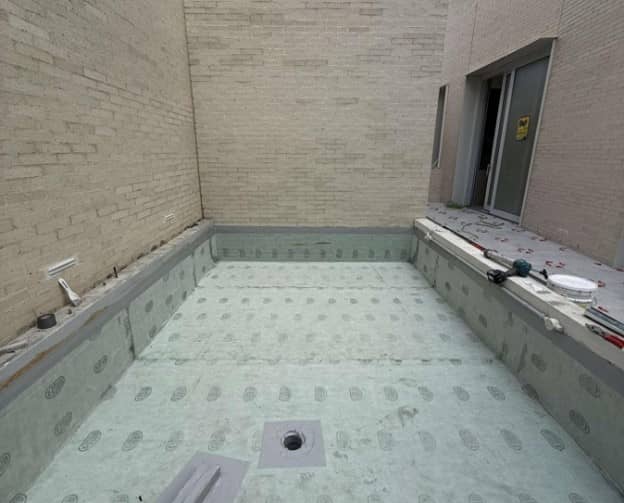
What Is Concrete Sealing?
Concrete sealing is a surface treatment designed to reduce the amount of moisture and contaminants absorbed by concrete. A sealer helps protect against staining, weathering, chemicals and general surface deterioration.
Depending on the product, a concrete sealer may penetrate the concrete or form a protective layer over the surface.
Penetrating Sealers
Penetrating sealers absorb into the concrete and react within its pore structure. They can make the concrete more resistant to water absorption while generally allowing water vapour to escape.
Common penetrating sealers include silane, siloxane and silane/siloxane products. These are often used for exposed concrete, driveways, pathways, facades and other areas where the aim is to reduce surface moisture absorption rather than create a complete waterproof barrier.
Film-Forming Sealers
Film-forming sealers sit on the concrete surface and create a protective coating. Depending on the product, they may provide a gloss, satin or matte finish while improving resistance to staining and wear.
Acrylic, polyurethane and epoxy products are examples of film-forming sealers. However, a sealer should not automatically be considered a waterproofing membrane.
Some sealers can resist incidental water exposure, but they are not designed to withstand sustained water pressure or accommodate significant movement and cracking.
What Is Waterproofing?
Waterproofing is a more comprehensive moisture protection system designed to stop water from passing through a building element.
Unlike a basic sealer, a waterproofing system is chosen according to the conditions the structure will face. This can include persistent moisture, direct water exposure, hydrostatic pressure, substrate movement and cracking.
Waterproofing systems may include liquid-applied membranes, sheet membranes, cementitious coatings and other specialised systems.
Membrane waterproofing Melbourne property owners can rely on is particularly important in areas where water could penetrate behind tiles, finishes or structural elements.
A properly installed membrane creates a continuous barrier between the water-exposed area and the building structure.
This most important thing to remember is sealing generally protects the surface, while waterproofing protects the building from water ingress.
Waterproofing vs Sealing: The Key Differences
The easiest way to understand the difference is to consider what each system is designed to achieve.
Purpose
A sealer is primarily intended to reduce absorption and protect the surface. Waterproofing is designed to prevent water from passing through the protected area.
Water Pressure
Most sealers are not designed to withstand sustained hydrostatic pressure. A properly specified waterproofing system is designed for environments where water exposure is continuous or where water may accumulate against the structure.
Crack Bridging and Movement
Concrete and building structures can move over time. Temperature changes, settlement and substrate movement can result in cracking.
Many waterproofing membranes are designed with flexibility and crack-bridging characteristics that allow the system to accommodate a degree of movement.
A conventional concrete sealer generally does not provide this level of protection.
Longevity
The service life of either product depends on the formulation, installation, substrate and environmental conditions. Sealers may require periodic maintenance or reapplication, particularly on heavily exposed surfaces.
A professionally designed waterproofing system can provide long-term protection when correctly installed and maintained.
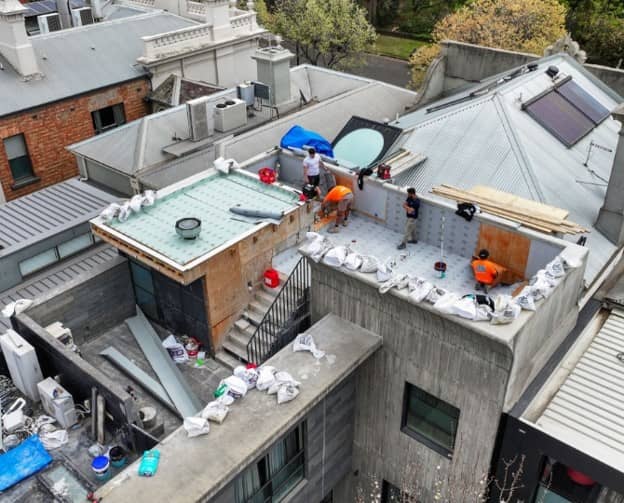
When Is Sealing the Right Choice?
Sealing can be an excellent option when the goal is protecting an exposed surface rather than preventing water from entering a building.
For example, a penetrating sealer may be suitable for an exposed concrete driveway where the goal is to reduce water and oil absorption. It can also be useful on pathways, patios, decorative concrete and some exterior masonry applications.
Sealing may also complement a wider waterproofing strategy, where exposed concrete surrounding a waterproofed area could be sealed to improve resistance to weathering and staining.
The important consideration is understanding what the product is actually designed to do. If water ingress could damage the structure, simply applying a sealer is unlikely to provide sufficient protection.
When Does Your Property Need Waterproofing?
Waterproofing becomes essential when an area is regularly exposed to water or when moisture penetration could cause significant damage.
Bathrooms and Wet Areas
Bathrooms are among the most important areas requiring appropriate waterproofing. Shower floors, shower walls and other wet areas are exposed to repeated water and moisture.
Homeowners looking for bathroom waterproofing in Clayton, Clyde North, Glen Iris or Sunshine should ensure that the work involves an appropriate waterproofing system rather than simply applying a surface sealer.
A sealer applied to tiles, grout or concrete cannot substitute for a properly designed wet-area waterproofing system.
Balconies and Outdoor Areas
Balconies are exposed to rain, temperature changes and regular moisture. If water penetrates beneath tiles or into the underlying structure, it can cause deterioration that may not become visible until significant damage has occurred.
Professional balcony waterproofing in Melbourne can help protect balcony substrates and the rooms or structures below them.
The waterproofing system needs to be compatible with the substrate, drainage design, finishes and expected movement.
Rooftops
Rooftops are exposed to some of the harshest conditions a building can experience, including rain, UV exposure, temperature fluctuations and pooling water.
Rooftop waterproofing in Melbourne projects therefore require careful consideration of the existing substrate, falls and drainage, penetrations, joints and the membrane system being installed.
A surface sealer may provide some protection against environmental exposure, but it should not be relied upon as a substitute for a properly designed rooftop waterproofing system.
Below-Ground Areas
Basements, retaining structures and other below-ground areas can be exposed to persistent soil moisture and hydrostatic pressure.
In these situations, waterproofing needs to be designed around the way water interacts with the structure. Depending on the project, this may involve external membranes, internal systems, drainage solutions or crack-injection systems.
This is one of the clearest examples of why sealing and waterproofing should not be treated as interchangeable solutions.
External Waterproofing vs Surface Sealing
Exterior surfaces often require a combination of strategies. An exposed concrete facade may benefit from a penetrating sealer that reduces rain absorption while allowing vapour movement. However, areas where the building structure is exposed to sustained moisture or soil contact may require a dedicated waterproofing system.
Professional external waterproofing in Melbourne services assess the entire exposure rather than simply choosing a product based on the appearance of the surface.
This is particularly important around balconies, retaining walls, planter boxes, rooftops, podiums and other exposed structures.
Residential and Commercial Waterproofing
The requirements of a home and a commercial building can be very different.
Residential waterproofing projects in Melbourne may involve bathrooms, laundries, balconies, terraces, retaining walls and other areas around the home.
Commercial buildings can involve much larger areas and more complex construction details, including plant rooms, podiums, rooftops, car parks, commercial wet areas and below-ground structures.
For these projects, commercial waterproofing in Melbourne specialists like 3K Waterproofing need to consider the building’s use, traffic, exposure, construction materials, drainage and maintenance requirements.
The larger and more complex the project, the more important correct system selection and installation become.
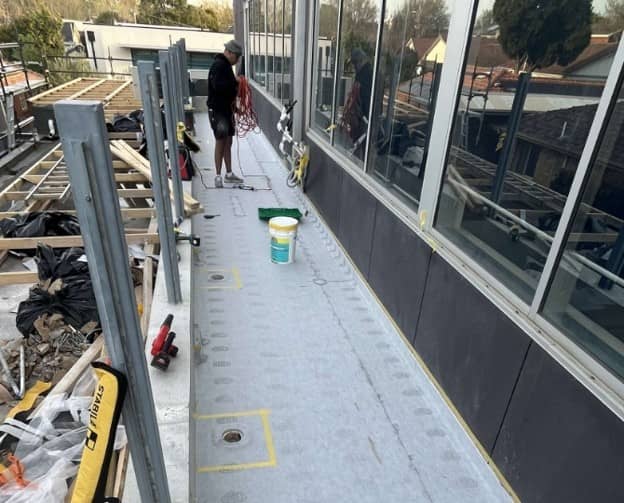
Can Waterproofing and Sealing Be Used Together?
Yes. In some situations, using both can provide a more comprehensive approach.
A balcony might have a waterproofing membrane beneath the finished surface while exposed concrete elements are treated with a suitable penetrating sealer.
The owner of a commercial property may use waterproofing membranes in wet or below-ground areas while sealers are used on exposed concrete surfaces elsewhere on the site.
The important point here is that each product should have a clearly defined purpose. A sealer should not be expected to perform the job of a waterproofing membrane.
Why the Right Waterproofing Matters
Water that enters a building can travel far beyond the point where it first seeps. Moisture can become trapped behind tiles, wall linings and other finishes, making the original source difficult to identify.
Over time, persistent moisture can contribute to mould, deterioration of finishes, corrosion of reinforcing steel, damage to adjacent materials and costly remedial work.
This is why waterproofing should be considered part of the building’s long-term protection rather than simply another finishing product.
Attempting to save money by using a cheaper sealing product where a waterproofing system is required can result in significant damage and higher repair costs.
Choosing the Right Solution for Your Property
At 3K Waterproofing, we take a practical, property-specific approach. Rather than assuming every surface requires the same product, we assess the area, substrate, exposure conditions and intended use before recommending a solution.
From bathroom waterproofing in Clayton and Clyde North to balcony waterproofing in Melbourne, commercial projects and residential renovations, choosing the right waterproofing system from the beginning can help protect your property for many years to come.
Not sure whether your property needs sealing or waterproofing? Contact 3K Waterproofing today by calling 0433 201 995 for professional advice and a waterproofing system that is best suited to your property’s specific needs.
Recent Blogs
-
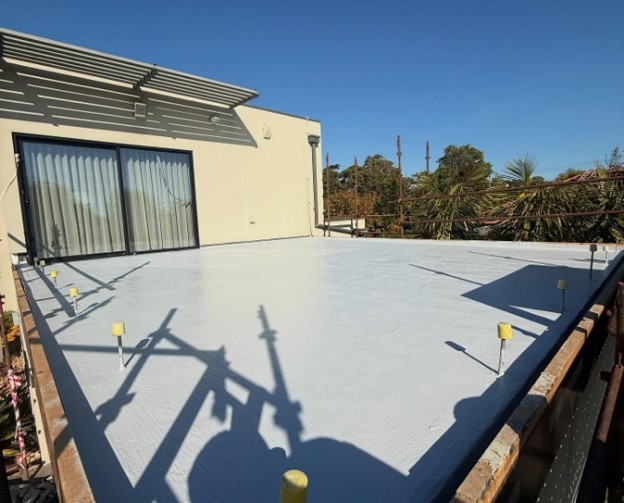 Signs Your Balcony Is Leaking (Even If You Can’t See Water)
A leaking balcony isn’t always obvious. While some homeowners expect to see dripping water or obvious flooding, many balcony leaks begin quietly, hidden beneath tiles, inside walls or below the surface of the structure. By the time visible damage appears, moisture may have already caused significant deterioration to the waterproofing membrane and surrounding building materials. […]
Read More -
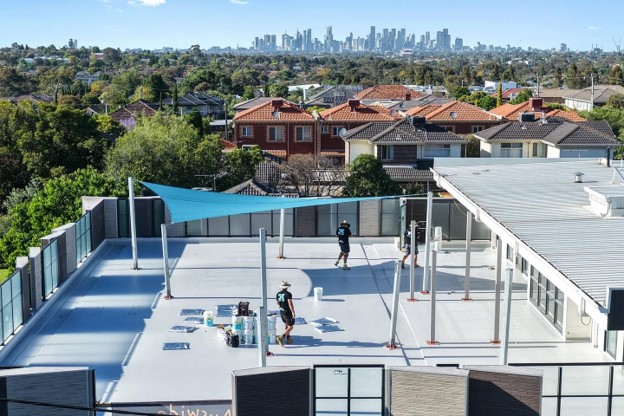 Tiled vs Exposed Membrane Balconies: Which Waterproofing Method Lasts Longer?
A balcony is one of the most exposed areas of any property. Sunlight, rain, wind, temperature fluctuations, and foot traffic put significant stress on its waterproofing system. Without the right protection, water can penetrate into the structure, leading to leaks, mould growth, concrete deterioration, and expensive repairs. When planning a new balcony or replacing […]
Read More -
Sheet vs Liquid Membrane Waterproofing: What Works Best in High-Movement Areas?
As a property owner, water damage can be one of the most destructive issues there is. However, it’s not all doom and gloom. With the right waterproofing measures in place, even high-movement areas can be prepared for whatever the weather throws up. From balconies and rooftops to bathrooms and basements, high-movement areas demand more than […]
Read More -
 Why Bathroom Waterproofing Is Mandatory Before Tiling
Bathroom renovations are one of the best home improvement projects you can undertake. Not only do they add new life into your home, but they also add significant value if you decide to sell. Unfortunately, many homeowners often only focus on the visible finish, such as tiles, tapware, lighting, and layout. Trust us when we […]
Read More


