




Tiled vs Exposed Membrane Balconies: Which Waterproofing Method Lasts Longer?
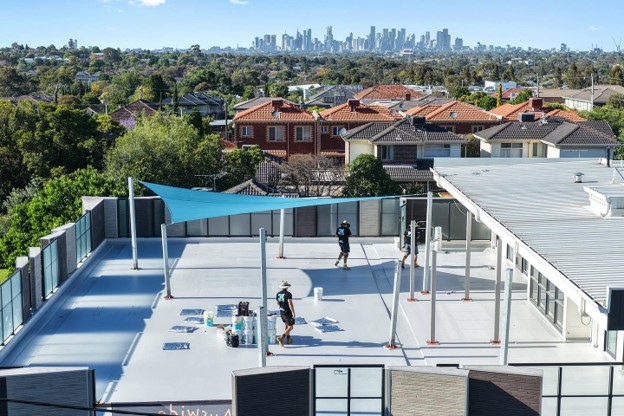
A balcony is one of the most exposed areas of any property. Sunlight, rain, wind, temperature fluctuations, and foot traffic put significant stress on its waterproofing system. Without the right protection, water can penetrate into the structure, leading to leaks, mould growth, concrete deterioration, and expensive repairs.
When planning a new balcony or replacing existing waterproofing, property owners are often faced with a common question: Should they choose a tiled balcony or an exposed membrane balcony?
Both systems offer advantages, but their longevity can vary significantly depending on installation quality, maintenance requirements, environmental conditions, and material selection.
Understanding the differences between tiled and exposed membrane systems can help you make an informed decision that protects your balcony for years to come.
Understanding Balcony Waterproofing
Before comparing the lifespan of each system, it’s important to understand the role waterproofing plays in balcony construction.
A waterproofing membrane acts as a protective barrier that prevents water from penetrating the substrate beneath the balcony surface. Without a properly installed membrane, moisture can seep into concrete, timber, and structural components, eventually causing serious damage.
Professional waterproofing services in Melbourne are designed to create a durable, watertight barrier that protects the building structure while extending the life of the balcony itself.
The two most common balcony waterproofing systems are:
- Tiled balcony waterproofing systems
- Exposed membrane waterproofing systems
While both systems are designed to achieve the same outcome, they differ significantly in design, maintenance, and overall long-term performance.
What Is a Tiled Balcony System?
A tiled balcony system consists of a waterproof membrane installed beneath a layer of tiles. The membrane serves as the primary waterproof barrier, while the tiles provide the finished surface.
The typical construction process includes:
- Surface preparation
- Application of waterproof membrane
- Protective screed or adhesive layer
- Tile installation
- Grouting and sealing
Many homeowners prefer tiled balconies because they offer a premium aesthetic appearance and can complement a property’s overall design.
Tiled systems are commonly used in both residential waterproofing in Melbourne and commercial waterproofing in Melbourne projects.
What Is an Exposed Membrane Balcony?
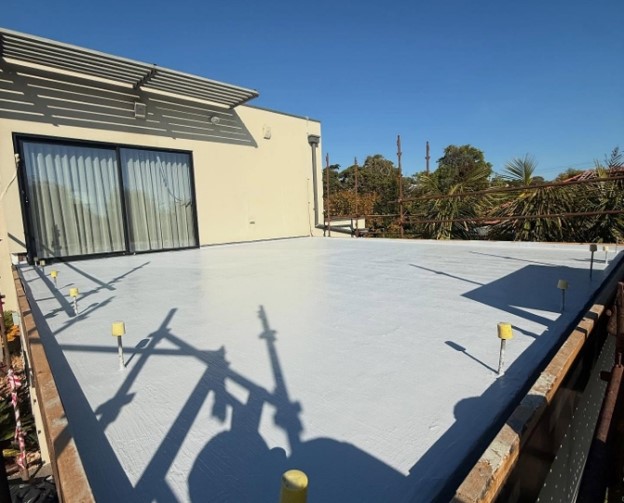
An exposed membrane balcony uses a waterproof membrane as both the waterproofing layer and the finished surface. This means that instead of covering the membrane with tiles, the membrane remains visible and exposed to the elements.
Modern exposed membranes are available in various colours and finishes that offer a practical and attractive solution for many properties.
These systems are particularly popular for:
- Apartment balconies
- Commercial buildings
- Rooftop terraces
- Outdoor entertaining areas
Professional balcony waterproofing in Melbourne specialists often recommend exposed membranes for projects where durability and ease of maintenance are top priorities.
Which System Lasts Longer?
The answer depends on several factors, but in many cases, high-quality exposed membrane systems can often outlast tiled balconies due to their simplified design and reduced maintenance requirements.
Let’s compare each option more closely.
Lifespan of Tiled Balcony Waterproofing
A properly installed tiled balcony system can last between 15 and 25 years. However, the longevity of the waterproof membrane beneath the tiles often depends on the condition of the tile surface above it.
Common issues that can affect its lifespan include:
Cracked Tiles
Over time, structural movement and temperature fluctuations can cause tiles to crack. Cracked tiles may allow water to penetrate beneath the surface, placing additional stress on the waterproof membrane.
Failed Grout Joints
Grout is often the first component to deteriorate. As grout cracks or erodes, water can seep through and become trapped beneath the tiled surface.
Difficult Leak Detection
One challenge with tiled balconies is that leaks are often hidden. Water may travel beneath tiles before becoming visible inside the building, making leak detection and repairs more complex.
For property owners looking for reliable waterproofing in Hawthorn, Brighton, or Richmond, understanding these long-term maintenance requirements is essential.
Lifespan of Exposed Membrane Waterproofing
Modern exposed membrane systems can often last between 20 and 30 years when installed correctly and maintained appropriately. However, there are a number of factors that contribute to their extended lifespan.
Fewer Components
Exposed systems eliminate tiles, grout, and adhesives. With fewer materials involved, there are fewer points of potential failure.
Easier Inspections
Because the membrane remains visible, inspections are much simpler. Property owners and waterproofing professionals can quickly identify wear, cracks, or damage before serious problems develop.
Simple Repairs
Minor repairs can often be completed directly on the membrane surface without removing additional finishes. This reduces maintenance costs and minimises disruption.
Improved Flexibility
Many exposed membranes are designed to accommodate building movement and thermal expansion more effectively than rigid tile systems. This flexibility helps prevent cracking and prolongs service life.
For many modern projects, exposed membranes offer superior long-term performance compared to traditional tiled balconies.
Environmental Factors That Affect Longevity
Regardless of the waterproofing system chosen, environmental conditions play a major role in determining lifespan.
UV Exposure
Balconies are constantly exposed to sunlight. Premium exposed membranes are specifically formulated to resist ultraviolet degradation. Lower-quality materials on the other hand may deteriorate more quickly when subjected to intense UV radiation.
Rainfall and Moisture
Melbourne’s unpredictable weather can place significant stress on waterproofing systems. Heavy rainfall, standing water, and inadequate drainage can accelerate membrane wear.
Professional waterproofing services in Melbourne ensure balconies are properly graded to prevent water pooling.
Structural Movement
Buildings naturally expand and contract due to temperature changes. Waterproofing systems must be flexible enough to accommodate this movement without cracking.
Foot Traffic
Balconies used frequently for entertaining or commercial purposes experience greater wear. This is particularly important in commercial waterproofing projects where traffic volumes are higher.
Maintenance Requirements: Tiled vs Exposed Membranes
Maintenance plays an important role in determining how long any waterproofing system lasts.
Tiled Balconies
Tiled systems typically require:
- Regular grout inspections
- Tile replacement when cracked
- Resealing of grout joints
- Monitoring for hidden leaks
- Periodic professional inspections
Exposed Membrane Balconies
Exposed membranes generally require:
- Routine cleaning
- Visual inspections
- Prompt repair of surface damage
- Drainage maintenance
Because issues are easier to identify and repair, exposed membranes often result in lower long-term maintenance costs.
Common Signs of Waterproofing Failure
Whether your balcony is tiled or exposed, early detection is essential.
Watch for the following warning signs:
Water Stains
Discolouration on ceilings, walls, or balcony surfaces often indicates water penetration.
Cracks
Visible cracks in tiles, grout, or membrane surfaces should never be ignored.
Bubbling or Delamination
Lifting, bubbling, or peeling membranes suggest moisture intrusion or adhesion failure.
Mould Growth
Persistent mould may indicate hidden moisture issues within the waterproofing system.
Damp Odours
Musty smells often accompany long-term water ingress.
Property owners who need waterproofing in Berwick, Glen Iris or Werribee should arrange for a professional inspection as soon as these signs appear.
Which Option Is Best for Residential Properties?
For many homeowners, tiled balconies remain popular because of their aesthetic appeal. A tiled finish can complement architectural styles and create a seamless indoor-outdoor transition.
However, homeowners should be prepared for:
- Ongoing grout maintenance
- Potential tile repairs
- More complex leak investigations
Many homeowners are now choosing exposed membrane systems due to their durability, low maintenance, and contemporary appearance.
As specialists in residential waterproofing in Melbourne, the team at 3K Waterproofing helps homeowners evaluate both options based on budget, design preferences, and long-term maintenance goals.
Which Option Is Best for Commercial Properties?
Commercial buildings often prioritise durability, safety, and lifecycle costs. For these reasons, exposed membrane systems are frequently preferred in:
- Apartment complexes
- Hotels
- Office buildings
- Educational facilities
- Retail developments
The ability to inspect and repair exposed membranes quickly makes them highly attractive for commercial waterproofing applications.
Reduced maintenance costs over the life of the building can also provide significant savings.
Why Professional Installation Matters
Regardless of the waterproofing method selected, installation quality remains the most important factor influencing lifespan.
Even the highest-quality membrane can fail prematurely if:
- Surface preparation is inadequate
- Membrane thickness is inconsistent
- Detailing around joints and penetrations is poor
- Drainage design is insufficient
This is why working with experienced waterproofing companies in Melbourne like 3K Waterproofing is a must.
As professional waterproofers, we understand Australian standards, substrate preparation requirements, drainage design, and membrane application techniques that maximise long-term performance.
Protect Your Balcony with 3K Waterproofing
Whether you’re building a new balcony or upgrading an existing waterproofing system, selecting the right solution can protect your property for decades.
While tiled balconies offer timeless visual appeal, exposed membrane systems often provide longer service life, easier maintenance, and lower long-term repair costs. The best choice ultimately depends on your property’s design, usage requirements, and budget.
If you’re comparing waterproofing options or concerned about the condition of your existing balcony, contact our team today for professional advice and a comprehensive assessment from one of the most trusted waterproofing companies in Melbourne.
Request a free waterproofing consultation in your area today by calling 0433 201 995 or email info@3kwaterproofing.com.au.
Recent Blogs
-
 Waterproofing vs Sealing: Key Differences and Which Is Right for Your Property
When it comes to protecting your property from moisture, the terms waterproofing and sealing are often used interchangeably. However, they are certainly not the same thing. While it’s true that both can be used to protect concrete and building surfaces from moisture, they actually provide very different levels of protection, and are designed for different […]
Read More -
Signs Your Balcony Is Leaking (Even If You Can’t See Water)
A leaking balcony isn’t always obvious. While some homeowners expect to see dripping water or obvious flooding, many balcony leaks begin quietly, hidden beneath tiles, inside walls or below the surface of the structure. By the time visible damage appears, moisture may have already caused significant deterioration to the waterproofing membrane and surrounding building materials. […]
Read More -
Sheet vs Liquid Membrane Waterproofing: What Works Best in High-Movement Areas?
As a property owner, water damage can be one of the most destructive issues there is. However, it’s not all doom and gloom. With the right waterproofing measures in place, even high-movement areas can be prepared for whatever the weather throws up. From balconies and rooftops to bathrooms and basements, high-movement areas demand more than […]
Read More -
 Why Bathroom Waterproofing Is Mandatory Before Tiling
Bathroom renovations are one of the best home improvement projects you can undertake. Not only do they add new life into your home, but they also add significant value if you decide to sell. Unfortunately, many homeowners often only focus on the visible finish, such as tiles, tapware, lighting, and layout. Trust us when we […]
Read More


