



How Waterproofing Protects Concrete Structures from Long-Term Structural Damage
Durable, strong and versatile, concrete is one of the most widely used construction materials in the world. It forms the foundations, walls, and floors of homes, offices, and public buildings across major cities and towns. Despite its solid exterior, the porous nature of concrete makes it susceptible to water ingress, which over time can lead to severe structural damage.
Constant exposure to moisture, rain, and foot traffic can compromise safety, deteriorate aesthetics, and reduce longevity. This is where professional waterproofing comes into play. It is more than about aesthetic appeal, it is a necessary component of all concrete surfaces.
In this blog, we’ll explore how waterproofing protects concrete, the types of waterproofing available, and why engaging expert waterproofing services in Melbourne is essential.
What is Waterproofing?
Waterproofing involves applying barriers or protective layers such as commercial-grade materials, that prevent water penetration into concrete surfaces. Unlike painting or surface coatings, which are primarily used for aesthetic appeal, waterproofing actively prevents moisture ingress, maintaining the concrete’s structural integrity over time.
This includes:
- Preventing water ingress and dampness
- Reducing the risk of structural damage
- Enhancing durability and lifespan
- Protecting against chemical or environmental exposure
Depending on the surface type and use, different types of waterproofing solutions are applied. Most common include surface coatings, sheet membrane, crystalline treatments, and liquid-applied barriers.
The Hidden Dangers of Water-Induced Damage in Concrete
Concrete, the foundation of all buildings, although incredibly strong, is inherently porous which means it has tiny capillaries or gaps that allow water and moisture to seep through.This is caused by the hydration process during curing.
Excess water not used in chemical reactions evaporates, leaving behind a network of tiny voids or gaps. Rain, condensation, or even groundwater can find its way into these voids, carrying dissolved salts, acids, and oxygen deep into the structure. When this happens it can cause:
- Cracking and Spalling: When moisture enters through voids, it can cause internal expansion, leading to cracks on surfaces and eventually flaking or spalling.
- Corrosion of Reinforced Steel: Once Water reaches the reinforced steel it causes rusting, corrosion and weakening the structural integrity.
- Freeze-Thaw Damage: In colder climates, trapped water freezes and expands, causing internal stress and surface damage.
- Alkali-Silica Reaction: Water can activate chemical reactions in the concrete aggregate, leading to long-term cracking and deterioration.
These issues over time can compromise the structural safety of buildings and increase maintenance costs significantly. This makes waterproofing an essential preventative measure for all concrete structures and surfaces.
Types of Waterproofing for Concrete Structures
Waterproofing can be broadly categorised into several types, each suited for specific applications:
1. Surface Coating Waterproofing
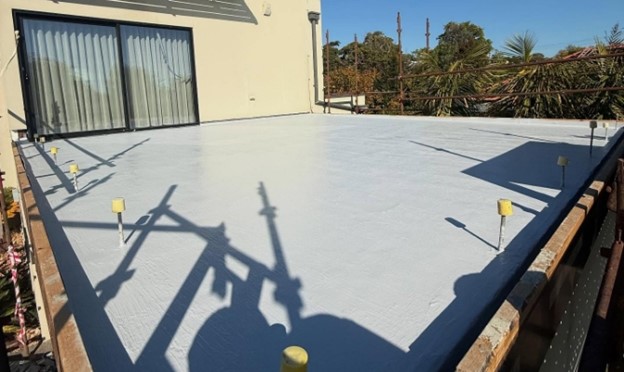
Surface coatings involve applying water-resistant chemicals or paints onto the concrete surface. These coatings form a protective barrier that prevents water absorption and are particularly effective for areas exposed to rainfall or high humidity.
Applications include:
- Balconies and terraces
- External retaining walls and facades
Surface coatings are cost-effective and relatively easy to apply, but they require regular maintenance and reapplication to maintain effectiveness.
2. Membrane Waterproofing
Membrane waterproofing is another popular application that uses sheets or rolls of waterproof material applied to the concrete surface. Membranes can be:
- Sheet Membranes: Pre-fabricated sheets, often made from PVC, rubber, or bitumen, bonded to the concrete surface.
- Liquid Membranes: Applied as liquid that cures to form a seamless, flexible barrier.
Membrane systems are highly durable and ideal for complex structures such as:
- Roofs and balconies
- Commercial buildings
- Underground structures
Membrane waterproofing ensures a continuous barrier against water, reducing the risk of leaks and seepage over the long term.
3. Integral Waterproofing
Integral waterproofing is added during the concrete mix itself. Water-repelling agents, plasticisers, and other additives are incorporated to reduce concrete permeability.
Applications:
- Basements and foundations
- Water-retaining structures like pools and tanks
Integral waterproofing provides protection throughout the concrete structure, not just on the surface, making it highly effective for long-term durability.
Professional Balcony Waterproofing Services
Here at 3K Waterproofing, our balcony waterproofing services include:
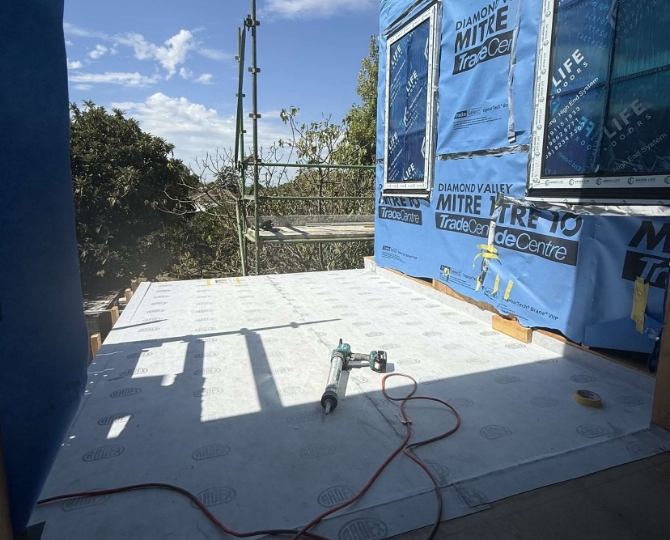
- Sheet membrane waterproofing (premium commercial grade)
- Liquid membrane application systems
- Screeding to create proper drainage falls
- Seal balcony tiles and surface protection
- Complete balcony renovation waterproofing
- Repair and re-waterproofing of existing structures
To determine the best solution for your property, our team will conduct an in-depth on-site assessment. Here, the 3K team will identify any problem areas, recommend the most suitable waterproofing system, then give you a clear and transparent quote.
Why Waterproofing is Essential for Concrete Structures
1. Extends Structural Lifespan
Water penetration accelerates concrete deterioration and can lead to costly repairs. Proper waterproofing acts as a protective shield, significantly extending the life of both residential and commercial structures.
Residential waterproofing in Melbourne ensures that balconies, patios, and terraces remain free of cracks and leaks, preserving property value.
2. Prevents Corrosion of Reinforcement
Reinforced steel is vulnerable to corrosion when exposed to moisture. Once corrosion begins, it expands, causing internal cracks and weakening the structure. Waterproofing creates a barrier between water and steel, preventing corrosion and maintaining structural integrity.
3. Reduces Maintenance Costs
Concrete surfaces without proper waterproofing require frequent repairs to address cracks, spalling, and leaks. Effective waterproofing reduces maintenance frequency, saving both time and money. Investing in external waterproofing in Melbourne early prevents minor issues from developing into major structural problems.
4. Enhances Safety and Comfort
Leaking concrete structures can cause slippery surfaces, damp interiors, and mould growth that pose serious health and safety risks. Residential waterproofing ensures living spaces remain safe, dry, and comfortable. Commercial waterproofing helps maintain a professional, hazard-free environment for everyone.
5. Environmental Protection
Water-damaged concrete can absorb harmful chemicals, weaken materials, and eventually break, potentially affecting surrounding structures and ecosystems. Waterproofing safeguards both the building and its environment by reducing water-induced damage.
Common Areas That Need Waterproofing
Some areas of a building are more susceptible to water ingress than others, including :
- Balconies and Terraces: Balconies are some of the most exposed areas of your property. When storms or sudden downpours occur, direct exposure to rainfall makes these areas prone to leaks and cracking
- Rooftops: Flat roofs, particularly on apartment complexes or commercial office buildings are constantly at the mercy of the elements,especially if they don’t have the proper waterproofing. Water accumulates causing pooling or stagnant water.
- Basements and Foundations: Underground structures require robust protection to prevent water seeping through. Basement waterproofing services safeguard your property from moisture damage, rising damp, and foundation issues.
- Commercial Facilities: Local offices, retail spaces, industrial buildings, car parks and strata properties can all benefit from waterproofing to maintain safety and operational efficiency.
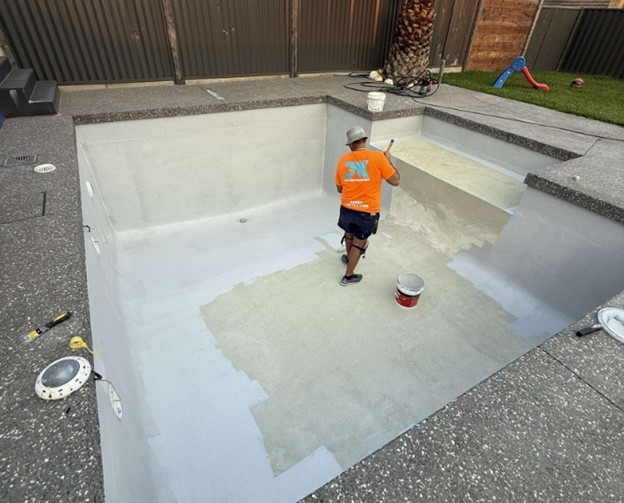
- Swimming pools: Swimming pools need to be watertight, preventing costly structural damage and water loss whilst protecting your backyard. Professional waterproofing services provide lasting protection against leaks, cracks, and deterioration.
From Bundoora to Wheelers Hill, and everywhere in between, the team at 3K can tailor waterproofing solutions to the specific area of a property. This ensures maximum protection and long-term performance.
Choosing the Right Waterproofing Service in Melbourne
Selecting a professional waterproofing service is critical to ensure effective results. Consider the following factors:
- Experience and Expertise: Choose providers with extensive experience in residential waterproofing, commercial waterproofing, and external waterproofing projects.
- Quality Materials: Effective waterproofing depends on durable, high-quality membranes, coatings, or chemical additives.
- Custom Solutions: Each structure has unique requirements; a professional team can assess the site and recommend the most suitable system.
- Compliance: Ensure the service complies with Australian Standards and building regulations to guarantee safety and reliability.
By partnering with an experienced waterproofing team, like 3K, property owners can protect their concrete structures against long-term damage and water-related risks.
Our team not only applies high-quality materials to surfaces, we also assess site-specific conditions to deliver tailored solutions,
This will help prevent costly repairs, extend the lifespan of the structure, and ensure ongoing safety, compliance, and performance in even the most demanding environments.
Don’t Wait For Issues To Arise
Waterproofing is not just a cosmetic upgrade to your property. It is an investment in the safety, durability, and longevity of concrete structures. Whether it is balcony waterproofing in Abbotsford, commercial waterproofing in Richmond, external waterproofing in Rowville, or residential waterproofing in Essendon, proper waterproofing prevents water leaks, corrosion, cracking, and structural deterioration.
By addressing any issues and cracks early, property owners can maintain the life of their buildings, reduce maintenance costs, and provide safe, comfortable environments for occupants.
In Melbourne where the climate literally can produce four seasons in one day, professional waterproofing is essential for protecting concrete structures against the damaging effects of water.
Investing in quality waterproofing today ensures that your property remains structurally sound and visually appealing for decades to come.
Speak to 3K Waterproofing Today
Got a waterproofing job in mind? Protect your asset with 3K Waterproofing right here in Melbourne! Based in the northern suburbs, we have a team of experienced staff ready to get the job done, no matter how big.
At one of the leading waterproofing companies in Melbourne, we service suburbs around the CBD. From Coburg to Prahran, Balwyn to Sunshine, our backgrounds in waterproofing, and construction, we deliver reliable, high-quality solutions.
Recent Blogs
-
Waterproofing vs Sealing: Key Differences and Which Is Right for Your Property
When it comes to protecting your property from moisture, the terms waterproofing and sealing are often used interchangeably. However, they are certainly not the same thing. While it’s true that both can be used to protect concrete and building surfaces from moisture, they actually provide very different levels of protection, and are designed for different […]
Read More -
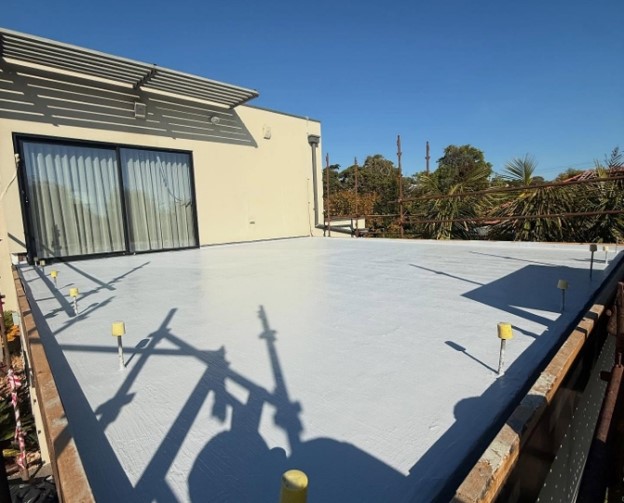 Signs Your Balcony Is Leaking (Even If You Can’t See Water)
A leaking balcony isn’t always obvious. While some homeowners expect to see dripping water or obvious flooding, many balcony leaks begin quietly, hidden beneath tiles, inside walls or below the surface of the structure. By the time visible damage appears, moisture may have already caused significant deterioration to the waterproofing membrane and surrounding building materials. […]
Read More -
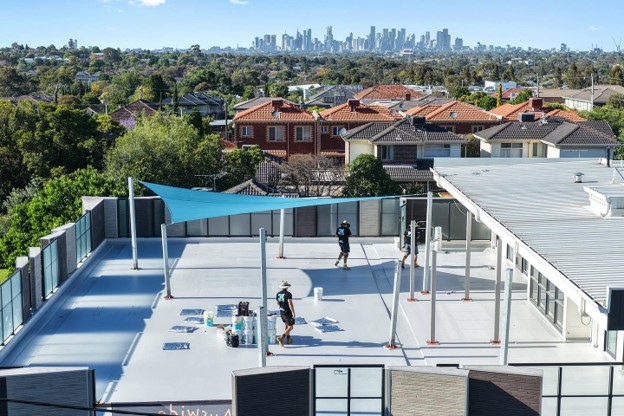 Tiled vs Exposed Membrane Balconies: Which Waterproofing Method Lasts Longer?
A balcony is one of the most exposed areas of any property. Sunlight, rain, wind, temperature fluctuations, and foot traffic put significant stress on its waterproofing system. Without the right protection, water can penetrate into the structure, leading to leaks, mould growth, concrete deterioration, and expensive repairs. When planning a new balcony or replacing […]
Read More -
Sheet vs Liquid Membrane Waterproofing: What Works Best in High-Movement Areas?
As a property owner, water damage can be one of the most destructive issues there is. However, it’s not all doom and gloom. With the right waterproofing measures in place, even high-movement areas can be prepared for whatever the weather throws up. From balconies and rooftops to bathrooms and basements, high-movement areas demand more than […]
Read More


