



How Long Does Waterproofing Actually Last? Factors That Affect Its Lifespan
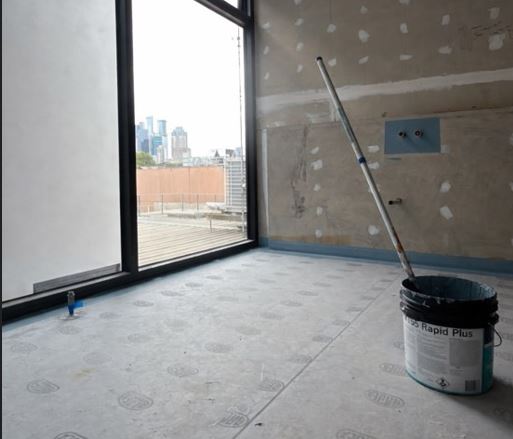
Waterproofing is one of those building services you might not think about often, but as soon as something does go wrong, the impact is hard to miss. Even what starts out as a small leak, damp patch, mould growth or water damage can quickly turn a small waterproofing issue into an expensive repair.
It’s not all bad news though. A professionally installed waterproofing system can last for many years, and some systems last for decades. However, its lifespan depends on much more than the membrane itself.
The quality of the materials, installation, location, exposure to weather, building movement and ongoing maintenance all affect how long your waterproofing will last. With that in mind, we’ve compiled a quick guide. Read on to learn more!
How Long Does Waterproofing Last?
Professionally installed waterproofing systems can last anywhere from 10 to 20 years or more, depending on the type of system, materials used and conditions it is exposed to.
Some high-quality waterproofing membranes and systems can last significantly longer when they are correctly specified, installed and maintained.
However, the age of a waterproofing system alone doesn’t determine whether it is still effective. A relatively new membrane can fail prematurely if it was poorly installed or unsuitable for the application, while a well-designed and maintained system can continue protecting a building for many years.
This is why working with experienced waterproofing companies in Melbourne like 3K Waterproofing is important. A professional approach focuses on the complete waterproofing system rather than simply applying a membrane and considering the job finished.
What Factors Affect Waterproofing Lifespan?
There are several factors that can influence how long waterproofing lasts. Understanding them can help you make better decisions when installing a new system or repairing an existing one.
1. The Quality of the Waterproofing Membrane
The waterproofing membrane is one of the most important components of the system. Different membranes are designed for different applications, and selecting the right product is essential.
A membrane used in a bathroom may have different requirements from one installed on an exposed balcony, rooftop or commercial structure.
Quality membranes need to withstand conditions such as:
- Water exposure
- Temperature fluctuations
- Building movement
- UV exposure
- Moisture and humidity
- Chemical exposure
- Foot traffic or other physical stresses
- Expansion and contraction of building materials
This is particularly important for membrane waterproofing in Melbourne properties may require across different environments.
Choosing a product based solely on its upfront price can sometimes result in higher costs later. If an unsuitable or poor-quality membrane fails, the repair may involve removing tiles, screeds or other finishes before the waterproofing can be replaced.
A properly specified membrane may therefore provide better long-term value, even if the initial installation cost is higher.
2. The Quality of Installation
Even the best waterproofing membrane can fail if it is not installed correctly. Workmanship is one of the most important factors that affects waterproofing performance.
Waterproofing requires careful preparation, accurate application and attention to areas where water is most likely to penetrate.
Common problem areas include:
- Wall-to-floor junctions
- Internal and external corners
- Shower recesses
- Drain connections
- Pipe penetrations
- Expansion joints
- Balcony edges
- Door thresholds
- Changes in surface levels
- Areas where different building materials meet
These locations require proper detailing and preparation. Simply applying waterproofing to a surface without addressing the surrounding construction can leave vulnerable points in the system.
Whether it’s residential waterproofing in Melbourne or a larger commercial project, the installation process needs the same attention to detail.
3. The Location of the Waterproofing
Where waterproofing is installed can have a major impact on its lifespan. An internal bathroom waterproofing system is generally exposed to different conditions than an external balcony or rooftop.
External areas can experience considerable changes in temperature, rainfall and UV exposure. Building materials may expand and contract as temperatures change, placing additional stress on waterproofing systems.
This is particularly important when considering balcony waterproofing for your property.
Balconies are exposed to the elements and can be vulnerable to water pooling, cracking, drainage problems and movement. If water gets beneath tiles or into the underlying structure, damage can extend beyond the visible surface.
A properly designed balcony waterproofing system needs to account for drainage, falls, surface movement, junctions and the particular membrane system being used.
4. Weather and Environmental Conditions
Melbourne’s changing weather conditions puts added pressure on external waterproofing.
Heavy rain, temperature fluctuations, prolonged moisture and periods of intense sunlight can all contribute to deterioration over time.
Properties in coastal areas may also experience environmental conditions that need to be considered when selecting materials and designing a waterproofing system.
This is why waterproofing shouldn’t be treated as a one-size-fits-all service.
Waterproofing Mornington Peninsula properties requires careful planning and consideration of external exposure and coastal conditions, while properties in established inner-city areas such as Richmond or Toorak may have different structural and maintenance requirements.
5. Building Movement
Buildings are not completely static. Materials expand, contract and move over time due to temperature changes, settlement, structural and earth movement.
Waterproofing systems therefore need to accommodate a certain amount of movement without cracking or losing their ability to prevent water penetration.
This becomes particularly important around joints, corners, penetrations and transitions between different surfaces.
Poor detailing in these areas can create weak points where water can eventually find its way into the structure.
A professional waterproofing assessment should consider not only where water is currently entering but also why the waterproofing may have failed in the first place.
6. Surface Preparation
Before waterproofing is applied, the substrate needs to be appropriately prepared. Dirt, dust, contaminants, moisture, cracks or unsuitable surfaces can affect how effectively a membrane bonds to the substrate.
Preparation may involve cleaning, repairing damaged areas, addressing cracks and ensuring that the surfaces are suitable for the selected waterproofing system.
Skipping or rushing this stage can compromise the performance of the entire installation.
Quality waterproofing isn’t only about what happens when the membrane is applied. Much of the long-term performance depends on the preparation that happens beforehand.
7. Drainage and Water Management
Waterproofing and drainage work together. A membrane is designed to prevent water from penetrating a structure, but the area should also be designed so that water can drain away efficiently.
Poor drainage can result in standing water, which may place additional stress on waterproofing systems and surrounding building materials.
Balconies, bathrooms, rooftops and other wet areas should therefore have appropriate falls and drainage points.
If water consistently pools in an area, getting a professional inspection to identify the underlying cause is a much better approach than simply applying another layer of waterproofing to the problem. .
Waterproofing in Residential Properties
Residential properties have many areas where waterproofing is essential, including bathrooms, laundries, kitchens, basements, balconies and outdoor entertaining areas.
For homeowners wanting residential waterproofing in Melbourne, the priority should be selecting a system appropriate for the specific application and ensuring it is installed by an experienced professional.
Bathroom waterproofing is particularly important because much of the waterproofing is hidden beneath tiles and other finishes. By the time a leak becomes visible, water may already have affected surrounding materials.
Early detection of waterproofing problems can help minimise the damage and repair costs.
Commercial Waterproofing Requires a Different Approach
Commercial properties often have larger areas to protect and may have more complex structural and operational requirements.
Commercial buildings can include offices, retail premises, apartment buildings, warehouses, healthcare facilities and other properties where water damage can affect both the building and its occupants.
Commercial waterproofing in Melbourne requires careful planning around existing occupants, access requirements, construction schedules and the use of specialised waterproofing systems.
The right solution will depend on the building, substrate, exposure conditions and intended use of the area.
For larger projects, waterproofing should be considered as part of the broader building maintenance strategy rather than as an isolated repair.
How Long Does Balcony Waterproofing Last?
Balcony waterproofing in Melbourne can last for many years when the correct system is installed properly and the area is maintained.
However, balconies are constantly exposed to weather and movement, meaning their waterproofing can eventually deteriorate.
Signs that balcony waterproofing may require attention include:
- Cracked or damaged tiles
- Water ingress
- Loose tiles
- Deteriorated grout
- Water staining
- Damp areas
- Mould growth
- Peeling or bubbling finishes
- Water pooling
- Leaks appearing in rooms below
If you notice these signs, don’t assume the problem is simply a damaged tile or grout joint. Water may have already penetrated below the surface.
Professional balcony waterproofing services in Melbourne can help identify the source of the problem and determine whether a repair or complete waterproofing replacement is required.
Waterproofing Across Melbourne and Regional Victoria
Waterproofing requirements can vary significantly from one property to another.
At 3K Waterproofing, we work across a range of Melbourne suburbs and surrounding areas, including Doncaster, Sunshine, Geelong and St Kilda, providing solutions suited to different property types and applications.
Whether you’re dealing with a leaking balcony, a bathroom renovation, an existing waterproofing failure or a larger commercial project, the right approach starts by identifying the cause of the problem and choosing a system that is best suited to the application.
How Can You Make Waterproofing Last Longer?
While no waterproofing system lasts forever, there are steps you can take to maximise its longevity.
Inspect waterproofed areas regularly
Don’t wait for a major leak to occur before checking the condition of your waterproofed areas. Look for cracking, movement, staining, mould, damaged grout and other warning signs.
Address problems early
A small waterproofing issue can become significantly more expensive if water reaches the underlying structure.
Maintain drainage
Keep drains and drainage points clear so water can move away from the waterproofed area effectively.
Avoid unnecessary damage
Be careful when drilling, renovating or carrying out other work around waterproofed areas. Penetrating a membrane can compromise the system.
Use qualified professionals
Waterproofing is a specialised part of construction. Choosing an experienced contractor like 3K Waterproofing can help ensure the membrane, preparation and detailing are appropriate for the project.
Waterproofing Lifespan Depends on More Than the Membrane
For homeowners, builders and commercial property owners, investing in waterproofing should be viewed as an investment in protecting the building itself.
At 3K Waterproofing, we provide professional waterproofing solutions for both residential and commercial properties throughout Melbourne and surrounding areas.
From bathrooms and balconies to larger commercial applications, we help you choose the right waterproofing approach for the property and deliver quality workmanship that is designed for long-term performance.
If you’re experiencing leaks, dampness or signs of waterproofing failure, get in touch with 3K Waterproofing today by calling 0433 201 995 or emailing us at info@3kwaterproofing.com.au.
Recent Blogs
-
 Waterproofing vs Sealing: Key Differences and Which Is Right for Your Property
When it comes to protecting your property from moisture, the terms waterproofing and sealing are often used interchangeably. However, they are certainly not the same thing. While it’s true that both can be used to protect concrete and building surfaces from moisture, they actually provide very different levels of protection, and are designed for different […]
Read More -
 Signs Your Balcony Is Leaking (Even If You Can’t See Water)
A leaking balcony isn’t always obvious. While some homeowners expect to see dripping water or obvious flooding, many balcony leaks begin quietly, hidden beneath tiles, inside walls or below the surface of the structure. By the time visible damage appears, moisture may have already caused significant deterioration to the waterproofing membrane and surrounding building materials. […]
Read More -
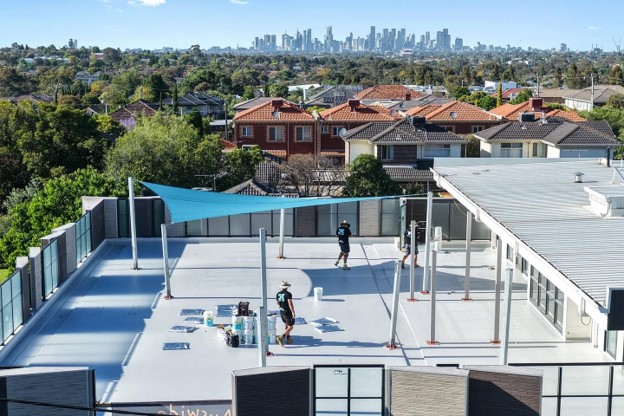 Tiled vs Exposed Membrane Balconies: Which Waterproofing Method Lasts Longer?
A balcony is one of the most exposed areas of any property. Sunlight, rain, wind, temperature fluctuations, and foot traffic put significant stress on its waterproofing system. Without the right protection, water can penetrate into the structure, leading to leaks, mould growth, concrete deterioration, and expensive repairs. When planning a new balcony or replacing […]
Read More -
Sheet vs Liquid Membrane Waterproofing: What Works Best in High-Movement Areas?
As a property owner, water damage can be one of the most destructive issues there is. However, it’s not all doom and gloom. With the right waterproofing measures in place, even high-movement areas can be prepared for whatever the weather throws up. From balconies and rooftops to bathrooms and basements, high-movement areas demand more than […]
Read More


