




7 Signs Your Bathroom Waterproofing Has Failed
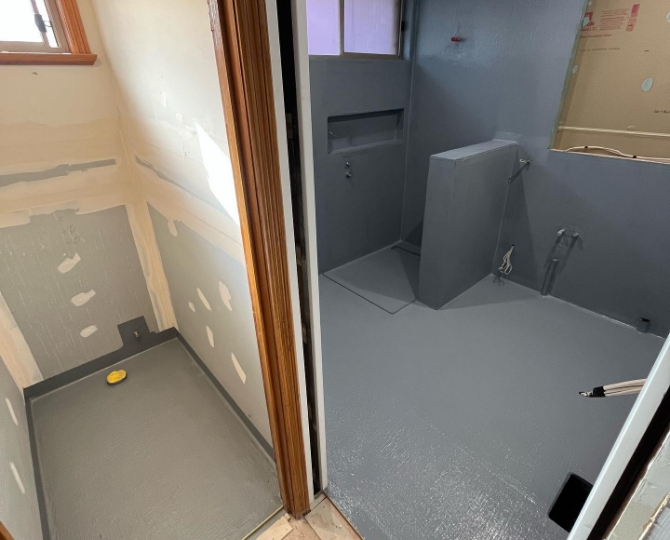
The humble bathroom is arguably the most hardworking room in any Australian home. Between the mad morning rush, frequent hand washing and the evening wind-down, it handles thousands of litres of water and withstands millions of footsteps every year. So, looking after it is a necessity.
The key to its longevity, depends entirely on a hidden hero: the waterproofing membrane. Bathroom waterproofing is one of the most critical yet often overlooked aspects of any home. Designed to protect your property from water damage, effective waterproofing acts as a barrier that prevents moisture from seeping into walls, floors, and structural components. When it fails though, the consequences can be costly, disruptive, and even hazardous to your health.
All across Melbourne from Point Cook to Richmond, Wollert to Clayton homeowners will encounter issues caused by deteriorating or poorly installed waterproofing systems. Even though it doesn’t always result in a dramatic flood, often, it is a slow, silent decay that eats away at your home’s structural integrity.
Recognising the warning signs early can save you from extensive repairs and protect the long-term value of your property. Here are the seven tell-tale signs your bathroom waterproofing has failed.
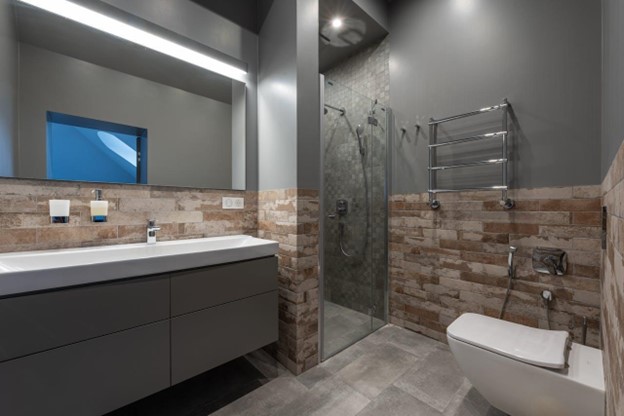
Persistent Damp or Musty Odours That Won’t Go Away
One of the earliest indicators of waterproofing failure is a lingering damp or musty smell in your bathroom. This can be noticeable after a long or steamy shower. Even if surfaces appear clean and dry, trapped moisture beneath tiles or behind walls can create the perfect environment for mould and mildew to develop. In some cases residents have reported a constant smell like a wet basement or earthy mulch, despite regular cleaning and ventilation.
These odours often intensify over time and may spread to adjacent rooms. If regular cleaning doesn’t eliminate the smell, it’s likely you likely have a leak and water is penetrating areas it shouldn’t. When water breaches the membrane, it becomes trapped between the tiles and the timber floorboards or concrete slab. In this dark, stagnant environment, bacteria and fungi thrive.
If you are noticing persistent smells, particularly in newer builds, seeking bathroom waterproofing specialists in Melbourne is a priority. As modern homes are often more airtight, they trap moisture more effectively than older houses.
Visible Mould and Mildew Growth
Another sure sign of waterproofing deterioration in your bathroom is mould or mildew buildup, which is more than just an aesthetic problem, it’s a clear sign of excess moisture. While some mould is common in humid bathrooms, it can be also attributed to poor ventilation, widespread or recurring growth often points to waterproofing failure.
While some surface mould is common in humid bathrooms, mould that reappears within days of scrubbing, or appears on the ceiling and high up on the walls indicates a systemic moisture problem.
Many homeowners report seeing mould:
- Along grout lines
- Around silicone seals
- Behind cabinets or fixtures
When a membrane fails, the entire wall cavity becomes a reservoir of humidity. This moisture “sweats” through the plasterboard, creating a breeding ground for black mould (Stachybotrys chartarum). This isn’t just an aesthetic issue, it’s a health hazard for your family.
In suburbs such as Point Cook, where modern builds are common, mould issues can still arise if waterproofing membranes were incorrectly installed. Addressing bathroom waterproofing early can prevent the damage spreading into adjoining areas and any potential health concerns.
Discoloured, Cracked or Loose Tiles
Tiles are not just made to be a decorative piece in your bathroom, they are designed to be durable in all conditions. So when waterproofing fails beneath them, problems begin to surface. Moisture that enters beneath the tiles can weaken the adhesive layer, causing tiles to discolour, loosen, lift, or crack.
If your floor tiles are starting to look darker than they used to, or if the grout appears permanently wet even when the shower hasn’t been used for 24 hours, the substrate is likely saturated.
Signs that your waterproofing is failing that you need to look out for include:
- Hollow sounds when tapping tiles
- Tiles that shift underfoot
- Visible cracks in tiled surfaces
When performing a “tap test”, gently tap your tiles with a coin or the handle of a screwdriver. A solid “thud” is good. A “hollow” or “drummy” sound suggests the tile has de-bonded from the floor because the adhesive has been weakened by constant water exposure.
In established inner city suburbs, ageing properties may be particularly susceptible. If you’re experiencing any of these issues, it may be time to call bathroom waterproofing in Richmond specialists to prevent deeper structural damage.
Peeling Paint or Bubbling Plaster
Ideally, water should flow down the drains in the bathroom. Unfortunately, that is not always the case and it will travel to areas it shouldn’t. Often, the first sign of a failed shower membrane isn’t in the shower at all, it’s on the other side of the wall. When water seeps behind walls, it doesn’t stay hidden forever. Over time, it causes visible damage to painted surfaces and plaster.
These issues often appear on walls adjacent to the bathroom or in some cases, in rooms below.
Common signs include:
- Bubbling or blistering paint
- Flaking or peeling finishes
- Warped or soft plasterboard
This is a classic sign of “rising damp” caused by water wicking through the wall studs or masonry. If you see this in an older Victorian terrace, having durable bathroom waterproofing is essential, as these heritage homes often have porous brickwork that allows water to travel rapidly between rooms.
In growing suburbs like Wollert in Melbourne’s north, where new constructions are rapidly increasing, ensuring proper bathroom waterproofing is essential to avoid premature deterioration.
Water Stains on Ceilings or Walls
Discoloured patches on ceilings or walls are a major red flag. These stains typically indicate that water is escaping from the bathroom and affecting surrounding areas.
For those living in two-storey homes, this is the “point of no return” sign. If you see a brown, tea-coloured ring on the ceiling of the room directly below your bathroom, your waterproofing has failed completely.
When water infiltrates ceilings and walls, you may notice:
- Yellow or brown stains
- Damp patches that grow over time
- Dripping or active leaks in severe cases
By the time water marks appear on the downstairs ceiling, the structural joists have already been soaked. Homeowners that find these leaks early should get the problem addressed immediately. If left untreated, these issues can compromise structural integrity.
Getting on top of this early will prevent the need for a full ceiling replacement in the living areas below. Whether you’re dealing with an older home or a newly built property, prompt attention is crucial. Professional waterproofing services specialists at 3K Waterproofing can identify the source of the problem and prevent further damage.
Deteriorating Grout and Silicone Seals
Grout and silicone act as the first line of defence against water penetration but they are not the primary waterproof barrier. When they begin to break down in the form of cracking, crumbling, or pulling away from the walls it often signals a deeper issue with the waterproofing system.
Usually this is a result of two things:
- Movement: The building is shifting, which may have also torn the flexible membrane beneath.
- Moisture Absorption: Water is getting behind the tiles, causing the adhesive to swell and push the grout out.
The most common signs of deteriorating grout and seals include:
- Cracked or missing grout
- Discoloured or mouldy silicone
- Gaps forming around fixtures
If you notice gaps in your shower corners, homeowners should act quickly. While regrouting or resealing may offer a temporary fix, recurring deterioration is a sign of an underlying waterproofing failure. In areas where new developments are expanding, proper waterproofing in homes is vital to ensure long-term durability.
Increased Moisture or Water Damage in Adjacent Areas
Waterproofing that has deteriorated doesn’t just affect the bathroom, it can impact surrounding spaces as well. Once moisture escapes its intended containment, it can travel into adjoining rooms, subfloors, and even structural elements.
If you notice damp carpets, warped flooring, or swelling cabinetry near your bathroom, water may be escaping beyond its intended boundaries. In many cases, this type of water damage often goes unnoticed until it becomes severe. By the time visible signs appear, repairs can be extensive and costly.
Engaging experts in bathroom waterproofing can help detect hidden issues early, determine the extent of the damage, and recommend the most effective solution to prevent further deterioration.
Why Early Detection Matters
Bathroom waterproofing issues rarely resolve themselves. In most cases, they progressively worsen as moisture continues to penetrate surfaces and spread beyond the immediate area. What may begin as a minor leak or small patch of dampness can quickly escalate into a much larger problem if left untreated, including
- Structural damage
- Increased repair costs
- Reduced property value
- Health risks from mould exposure
The sooner you identify and address waterproofing problems, the less damage there will be. Early intervention not only reduces repair costs but also helps maintain a safe, healthy, and structurally sound home.
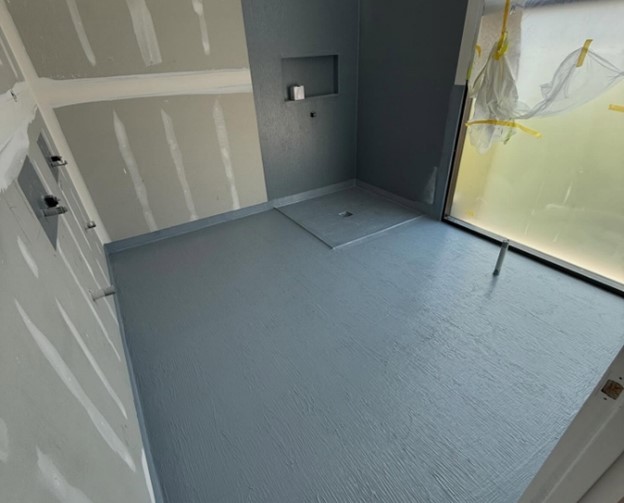
Don’t Let a Leak Drain Your Bank Account
Bathroom waterproofing is not something that should be overlooked. While issues may start small, they can escalate quickly if left alone. By staying alert to the warning signs such as mould growth, cracked tiles, and water stains, you can take proactive steps to protect your home.
Investing in high-quality bathroom waterproofing services in Melbourne and timely repairs will not only preserve the integrity of your bathroom but also give you peace of mind for years to come.
If in doubt, seek professional advice and ensure your bathroom remains safe, dry, and built to last. Get in touch with 3K Waterproofing today, for a free quote.
Recent Blogs
-
 Waterproofing vs Sealing: Key Differences and Which Is Right for Your Property
When it comes to protecting your property from moisture, the terms waterproofing and sealing are often used interchangeably. However, they are certainly not the same thing. While it’s true that both can be used to protect concrete and building surfaces from moisture, they actually provide very different levels of protection, and are designed for different […]
Read More -
 Signs Your Balcony Is Leaking (Even If You Can’t See Water)
A leaking balcony isn’t always obvious. While some homeowners expect to see dripping water or obvious flooding, many balcony leaks begin quietly, hidden beneath tiles, inside walls or below the surface of the structure. By the time visible damage appears, moisture may have already caused significant deterioration to the waterproofing membrane and surrounding building materials. […]
Read More -
 Tiled vs Exposed Membrane Balconies: Which Waterproofing Method Lasts Longer?
A balcony is one of the most exposed areas of any property. Sunlight, rain, wind, temperature fluctuations, and foot traffic put significant stress on its waterproofing system. Without the right protection, water can penetrate into the structure, leading to leaks, mould growth, concrete deterioration, and expensive repairs. When planning a new balcony or replacing […]
Read More -
Sheet vs Liquid Membrane Waterproofing: What Works Best in High-Movement Areas?
As a property owner, water damage can be one of the most destructive issues there is. However, it’s not all doom and gloom. With the right waterproofing measures in place, even high-movement areas can be prepared for whatever the weather throws up. From balconies and rooftops to bathrooms and basements, high-movement areas demand more than […]
Read More


